Wondering whether grass fed filet mignon is worth the price? It is if you want tenderness over big beefy flavor, and if you cook it briefly to medium rare.
Filet suits dinners where texture matters most, but it rewards careful buying and gentle heat. When you are ready to source steaks, you can buy grass fed beef online and compare cut sizes side by side.
- Choose by weight and label. Look for filets cut from the tenderloin, labeled grass fed and grass finished, with a stated weight per steak or per pack.
- Cook short and stop early. A leaner filet leaves little room for error, so aim for medium rare and let the steak rest before slicing.
- Season simply. The flavor is delicate rather than robust, so let the crust and a light finishing touch carry the plate.
Where filet mignon comes from
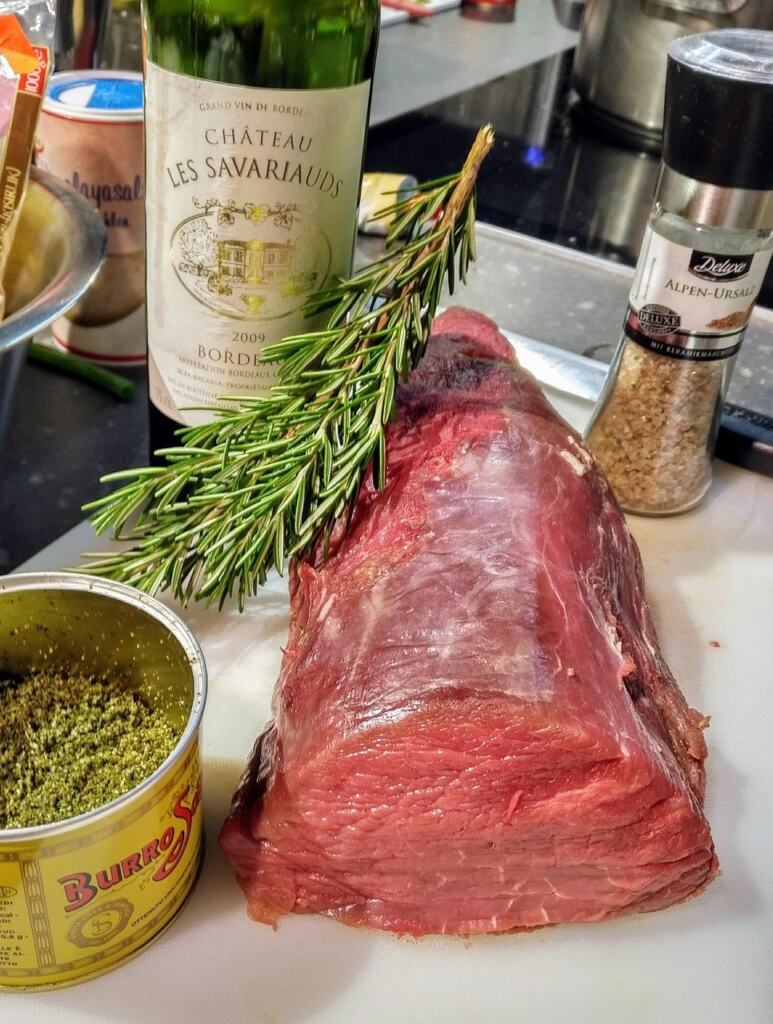
Filet mignon is a steak cut from the tenderloin, which one grass-fed ranch describes as the most tender cut of the cow. Another ranch lists its grass-fed pack as two beef filets cut from the tenderloin, 100% grass fed and grass finished. That wording is the one to look for: the cut name, the muscle it comes from and the feeding claim all on the label.
Beef researchers define tenderness in simple terms. According to a Beef Checkoff-supported project summary, it is how much force is required to bite through a piece of meat. A filet scores well on that measure, which is why it is the steak people order when they want to cut it with a fork and not chew.
Why the tenderest steak can taste mild
In a tenderness ranking study, a trained panel placed the loin at the top: the loin was ranked to have the highest overall tenderness. The same project measured shear force, collagen and fat for three cuts, and the pattern explains a lot about how filet eats.
| Cut in the study | Shear force (kgf) | Collagen (mg/g of wet tissue) | Lipid content (%) | Planning use |
|---|---|---|---|---|
| Loin | 2.51 | 2.76 | 6.99 | Most tender of the three, with the lowest force and the lowest collagen. This is the benchmark for a steak you can cook quickly. |
| Tri-tip | 3.61 | 3.98 | 8.24 | The most fat, yet chewier than loin, so fat alone does not decide tenderness. |
| Heel | 4.38 | 6.06 | 2.68 | The least tender and the leanest, which shows that leanness does not make a cut tender. |
These figures come from the Beef Checkoff-supported tenderness study, where a lower shear force means less force needed to cut through the meat.
Two points follow from the numbers. First, tenderness in the loin was driven by lipid content, so fat and tenderness travel together in that cut. Second, the study used USDA Choice carcasses, which is conventional beef. A grass-finished filet may carry less fat than those samples, so treat the table as a benchmark and not a promise. A leaner filet is still a tender cut, but it gives you less margin before it turns dry.
Flavor is a separate question. One ranch calls the filet renowned for its tenderness and delicate flavor. If you want a steak that tastes bolder rather than softer, a grass fed ribeye steak is the better match for that preference, and filet is better when you prefer an easy bite.
Choosing the right size and pack
A filet is sold by weight, so size is the first decision. One ranch lists its filet mignon portion at 8-9 oz, so an 8 oz filet sits at the lower end of that retail range. A recipe from another ranch calls for tenderloin medallions of approximately 6 oz each, which is a smaller, lighter portion. Use the 8-9 oz size for a main course and the smaller medallion size when the plate has generous sides.
Packs are less uniform than the steak names suggest. The same grass-fed ranch lists a two-filet pack at an average of 1.20 lbs and $69.99/lb, and the word “average” matters: individual packs will vary. Check the weight printed on the pack you actually receive, and judge the price per pound against it.
What to check before you buy
- Cut name and origin. The listing should say the steak is cut from the tenderloin. Filet medallions and tenderloin steaks are the same family of cut.
- Feeding claim. Look for wording like grass fed and grass finished, not just grass fed, because a label that stops at one word leaves the finishing diet unclear.
- Weight per steak. Match the stated ounces to appetite: the larger retail portion for a centerpiece steak, the smaller medallion for a lighter plate.
- Even thickness. Choose filets that look similar in height within the pack, because thicker and thinner steaks finish at different times in the same pan.
If filet turns out to be more than you want to spend, a grass fed top sirloin steak is a different texture at another point in the steak lineup, so compare it before settling on a cut.
Cooking grass-fed filet without drying it
The safest approach for a leaner filet is short, direct heat and an early finish. One ranch’s pan method adds seasoned filets to the pan and cooks them 5 minutes per side for medium rare. Treat that as a starting point for a filet of roughly the recipe’s size, not a fixed rule for every thickness.
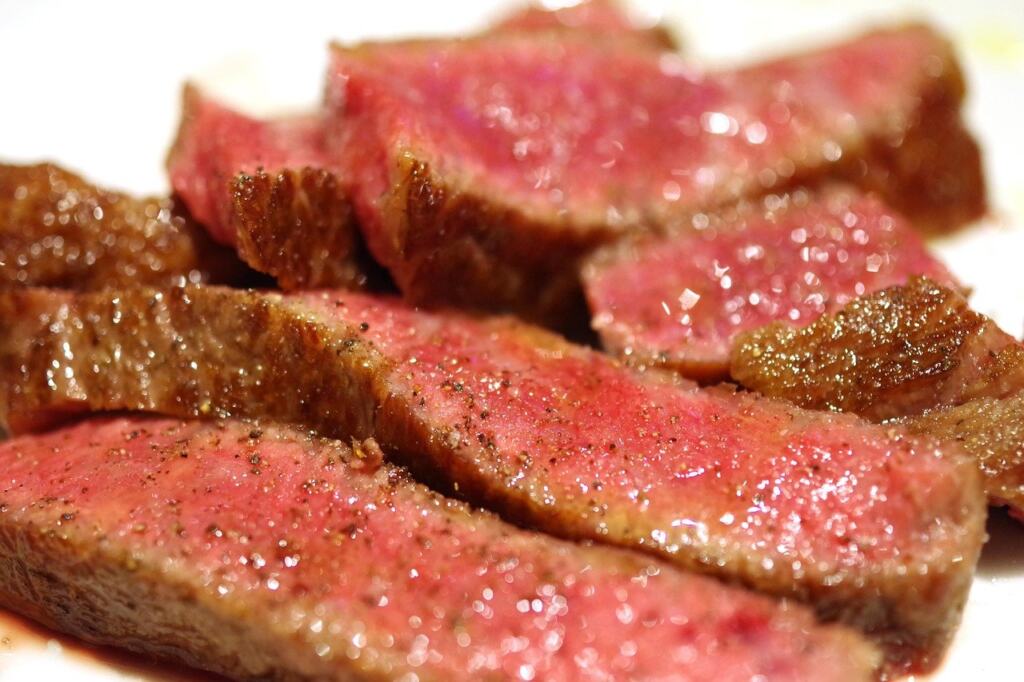
Because loin tenderness in the research tracked with fat, a leaner filet has less built-in protection against overcooking. That is the reason to plan around the doneness you want and not around the clock alone.
- Take the filets out of the fridge and pat them dry so the surface can brown.
- Season simply, then heat the pan until it is properly hot before the steak goes in.
- Turn the filets once, using the recipe time as a guide for a similar portion size.
- Check the center early. A filet that is still slightly under your target will finish while it rests.
- Rest the steak briefly before cutting so the juices stay in the meat.
Checking doneness and fixing common problems
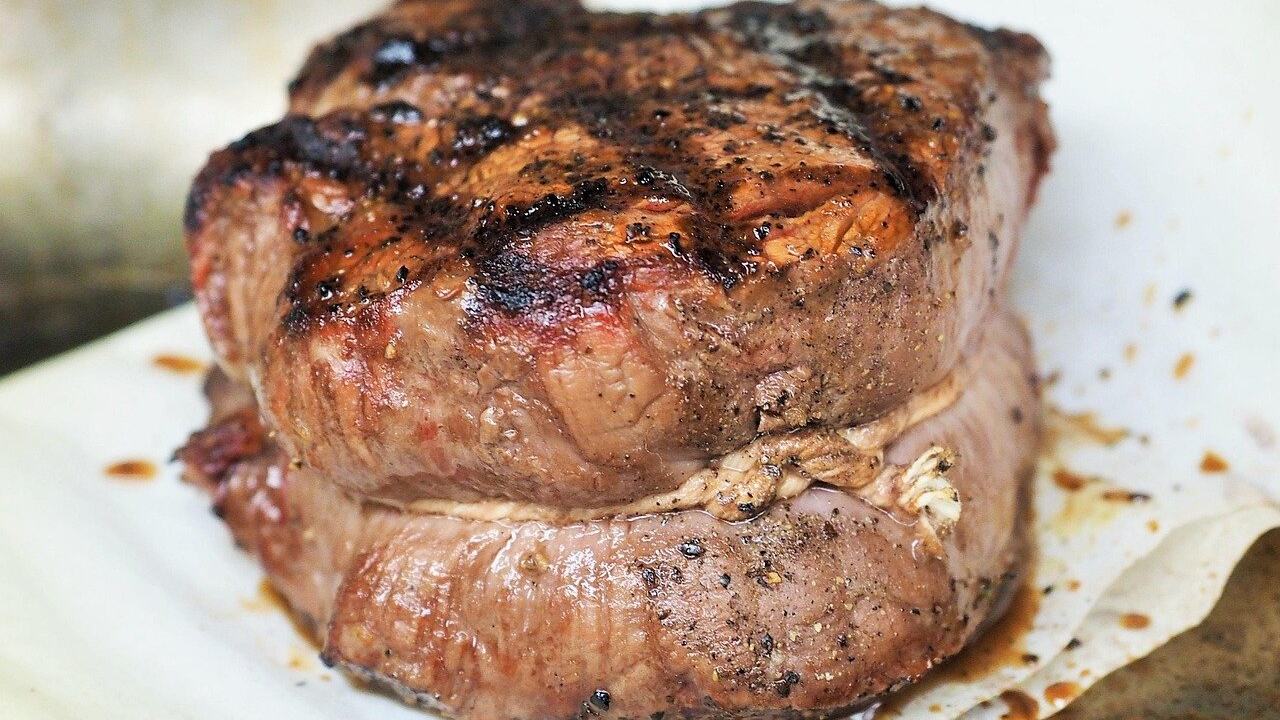
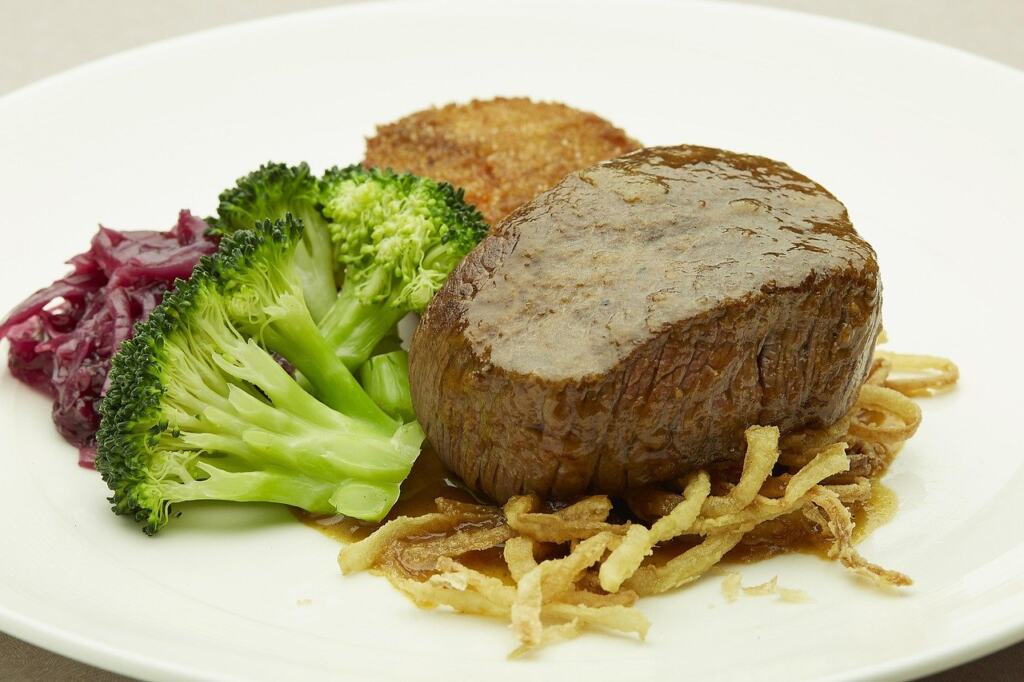
Medium rare is the usual target for a lean filet because it keeps the center pink and the bite soft. Cut into the thickest part to check the color, or use a thermometer if you prefer not to cut the steak. The sliced steak below shows the pink center and browned outer edge to aim for.
If the steak turns out wrong
- Gray and dry all the way through. The steak stayed on the heat too long for its thickness. Next time, check the center earlier and pull it before it reaches your target.
- Raw in the middle with a dark crust. The pan was too hot for a thick filet. Lower the heat after the first turn, or use a thinner portion such as the smaller medallion size.
- Chewy despite the cut. Overcooking is the likelier cause than the cut itself, since the loin scored lowest on shear force in the research. Cook it less and rest it before slicing.
- Flavor seems flat. A filet is described as delicate, so a plain steak will taste gentle. Season it with intent and serve it with a sauce or a side that adds contrast.
- Filets cooked unevenly. Mixed thicknesses in one pack finish at different times. Remove the thinner steak first and keep it warm while the thicker one catches up.
Frequently asked questions
| Question | Answer |
|---|---|
| What else is filet mignon called? | It is also known as tenderloin steaks or filet medallions, so any of those names on a label points to the same family of cut. |
| How heavy is a whole beef tenderloin? | A whole beef tenderloin is roughly 5-6 lbs, which is the whole muscle that individual filets are cut from. |
| How much weight sits behind the tenderness numbers? | The ranking study drew on 10 USDA Choice beef carcasses (n=30). It is a preliminary project, so use it for direction on how cuts compare rather than as a guarantee for any one steak. |