| Ranch variable | Typical figure or practice | Planning use |
|---|---|---|
| Stocking rate | Rule of thumb of 1.5 to 2 acres of pasture per cow | Treat it as a starting estimate to test against your own land. If the land cannot carry the herd year-round, budget for hay. |
| Grazing moves | Move cattle to fresh pasture every few days or weeks, depending on weather and vegetation | Lay out paddocks, fence and gates so a move is easy to make whatever the weather is doing. |
| Water | Cattle can drink 10 to 20 gallons per day | Size tanks and supply lines for the whole herd’s daily draw, with room to spare. |
| Gestation | About 283 days, roughly nine months | Plan breeding so cows and calves are managed on purpose, not by accident. |
| Market weight | Typically 1,100 to 1,300 pounds | Use it as the finish line when judging whether forage and breed can get cattle there. |
These figures come from a beginner’s guide to raising beef cattle and a farm guide to starting a grass-fed program.
How to raise grass fed cattle comes down to matching herd size to what your pasture can carry year-round, moving animals onto fresh grass regularly, and covering gaps with hay, water and shade. Finishing happens on forage.
If you are building a herd from nothing, start with how to start a grass fed beef farm. Then use the sections below to work through grazing, feed, animals and handling in the order that suits your land.
How a grass-finished ranch operates
A grass-fed beef ranch is a forage operation first and a cattle operation second. The herd harvests the pasture, and every other system on the ranch exists to keep animals on good forage with water, shade and a fallback feed. That framing helps with early decisions. A fence, a seed purchase or an extra animal either improves what the cattle eat or it does not.
The working cycle
The year runs as a loop. Soil and pasture are prepared, cattle are moved through the grazing area, and hay or other supplemental feed covers the months when grass cannot. Calves are born and raised, and animals are finished to market weight.
The farm guide cited above puts the soil test first, because the result sets how much fertilizer the pasture needs before anything is planted or stocked. It also describes supplemental feed during the winter months when grasses are dormant. A new operator should accept that sequence. Pasture comes before cattle, and the feed plan comes before winter.
Why each stage limits the next
The stages are linked, and a mistake early in the loop shows up later. A herd larger than the pasture can carry shows up as a hay bill. Pasture that is not rested shows up as grass that cannot recover. Cattle that are hard to move make rotation a chore that gets skipped. Plan the ranch as a chain and size every link to the weakest one.
Scale and expectations
Grass-finished ranching rewards a patient, observant manager more than a large one. The practices below are the same on a small place and a large one. What changes is how much fencing, water and hay you need to build. Small herds suit new operators well. Mistakes cost less, and you can learn how your own pasture behaves before committing to more cattle.
Pasture forage: the foundation
Pasture forage is the main input on a grass-finished ranch, so the quality of the stand matters more than almost any purchase. Start by finding out what the soil needs. A soil test is the first planning step in the grass-fed program guide, because it tells you how much fertilizer you will need.
Choosing what to grow
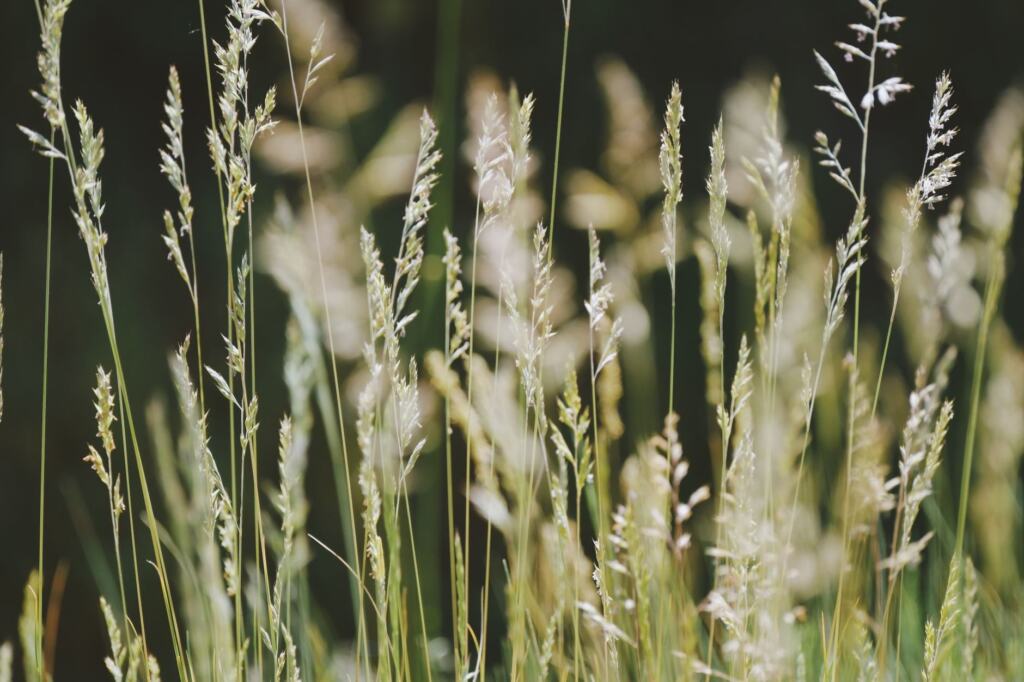
The guide suggests native grasses such as switchgrass or big bluestem along with legumes like clover and alfalfa. A beginner’s guide to raising beef cattle makes a similar point in general terms. Pastures should hold a variety of grasses and legumes for optimal nutrition.
Treat those species as examples of the approach, not a planting prescription. The right mix depends on your region and soil. A mixed stand also gives you more than one chance at good feed when conditions change. For species by region, see best pasture grasses for beef cattle.
Fixing a weak stand
If the existing pasture is thin or dominated by poor plants, decide whether to manage it differently or to replant. Better grazing management alone can improve a stand, because rest lets plants recover. When the stand is too far gone for that, seed and fertilizer come into play. Both are real costs, which is why the soil test comes first. The guide to how to renovate a pasture covers that decision in detail. Fix the grazing pattern before spending on seed, otherwise the new stand faces the same pressure that wore out the old one.
Rotational grazing
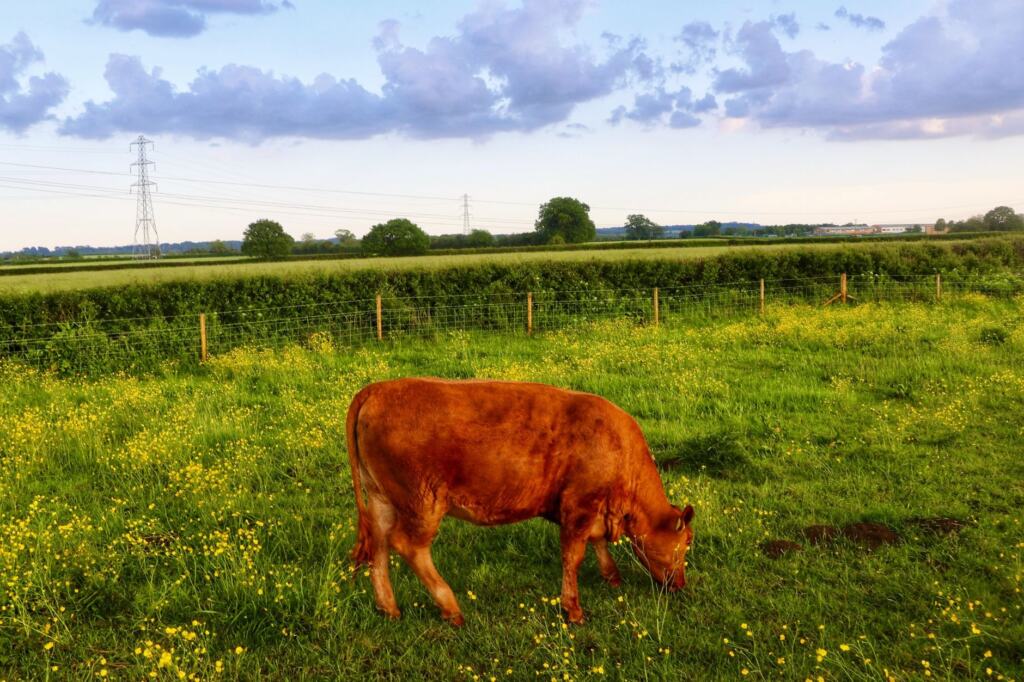
Rotational grazing is a system of animal husbandry in which livestock are moved regularly to fresh pasture rather than kept in one area. The practice helps prevent overgrazing and soil erosion by allowing plants to recover between periods of use. On a grass-finished ranch it is the main tool for keeping forage productive.
Fencing and move timing
Electric fencing is often used for rotational grazing systems. It lets you subdivide pasture without permanent construction. The farm guide describes moving animals every few days or weeks depending on weather conditions.
That wide range is a feature. The right interval depends on how fast the plants are growing and how much they have been grazed, so it is a decision you make by looking at the pasture. Walk the paddock before each move. Move the cattle when the forage tells you to, not when the calendar does.
Costs and how to phase them in
The same guide points out that pasture rotation can be an expensive process, citing seed, fertilizer and hay baler costs. For a new operator, that argues for phasing. Begin with a few paddocks that you can move cattle through reliably, then subdivide further only when the pasture response justifies the extra fence and water lines. A simple rotation you keep up beats an elaborate one you abandon.
Two guides go further into the details. Rotational grazing for beef cattle covers layout and timing. Management intensive grazing is the next layer to study once basic rotation is working and you want tighter control over moves.
Stocking rate and carrying capacity
Stocking rate is the number of animals your pasture supports, and getting it wrong drives most of the other problems on a ranch. A common rule of thumb is that each cow requires about 1.5 to 2 acres of pasture.
How to use the rule of thumb
Use the figure as a place to begin, not as a promise your land will keep. Pasture quality, soil, fertility and grazing management all shape how many animals a given acre feeds. The same guide notes that your land must be able to support the cattle year-round or you will need to supplement with hay. That is the real test. A stocking rate is right when the pasture and a realistic hay supply carry the herd without the grass being grazed down to the point where it cannot recover.
Deciding whether to stock lighter or heavier
- Stock lighter if you are new, if the stand is thin, or if you have not yet seen how the pasture performs through a full year. A light herd leaves room to learn.
- Stock closer to the rule of thumb when soil has been tested and fertilized, the forage is a good mix, and your rotation is established.
- Add cattle only after you have a hay and water plan for the larger number. Extra animals raise the demand on every other system.
For a closer look at working the numbers for your land, see how many acres per cow.
Hay and winter feeding
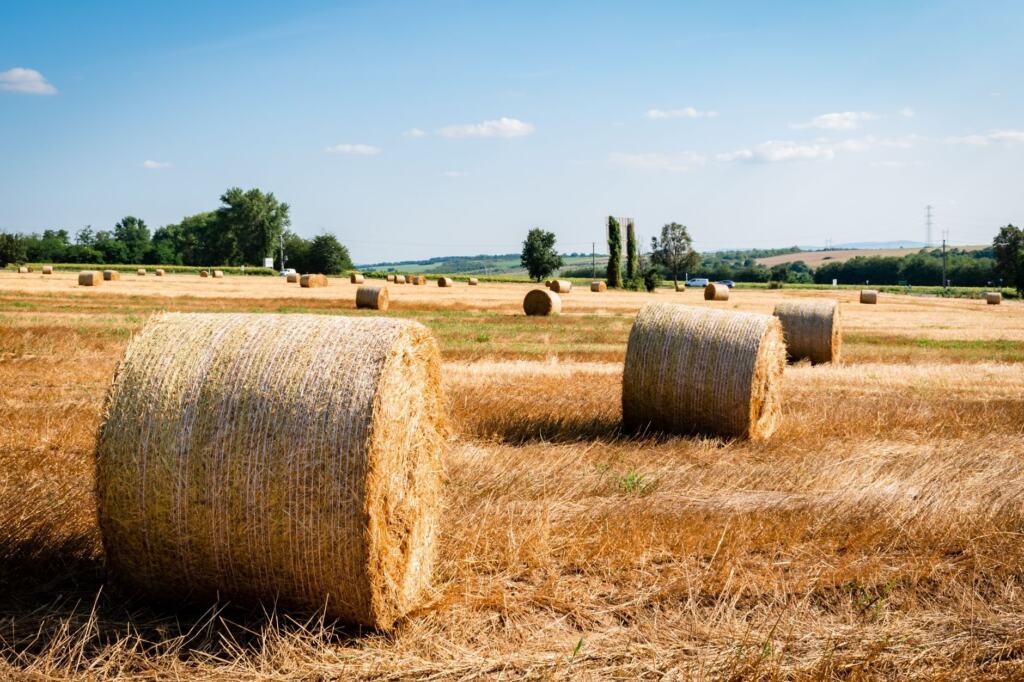
Hay is the bridge between the grazing season and the next one. On a grass-finished ranch it is stored forage, so it fits the program in a way that purchased grain does not. The farm guide describes supplemental feed during the winter months when grasses are dormant. The beginner’s guide adds that land that cannot support cattle year-round will need supplemental hay.
Make it or buy it
A producer with enough suitable land and equipment can cut hay on the ranch. That keeps control over what the cattle eat and when it was harvested. A producer without equipment can buy hay instead. The cost of a hay baler is one of the expenses the farm guide flags, so a small operation should weigh equipment against buying. Whichever route you take, treat hay quality as part of the forage program and not a leftover. How to make hay for cattle covers the process.
Planning the winter
Hay need is the practical result of stocking rate. The more animals the land carries only in the growing season, the more hay you must have stored. Work out the feed plan before the herd is bought, not after the first cold snap. Details on feeding methods and quantities are in winter feeding grass fed cattle.
Water, shade and handling
Water, shade and handling facilities are the infrastructure that makes rotation workable. They are also where small ranches most often underbuild.
Stock water
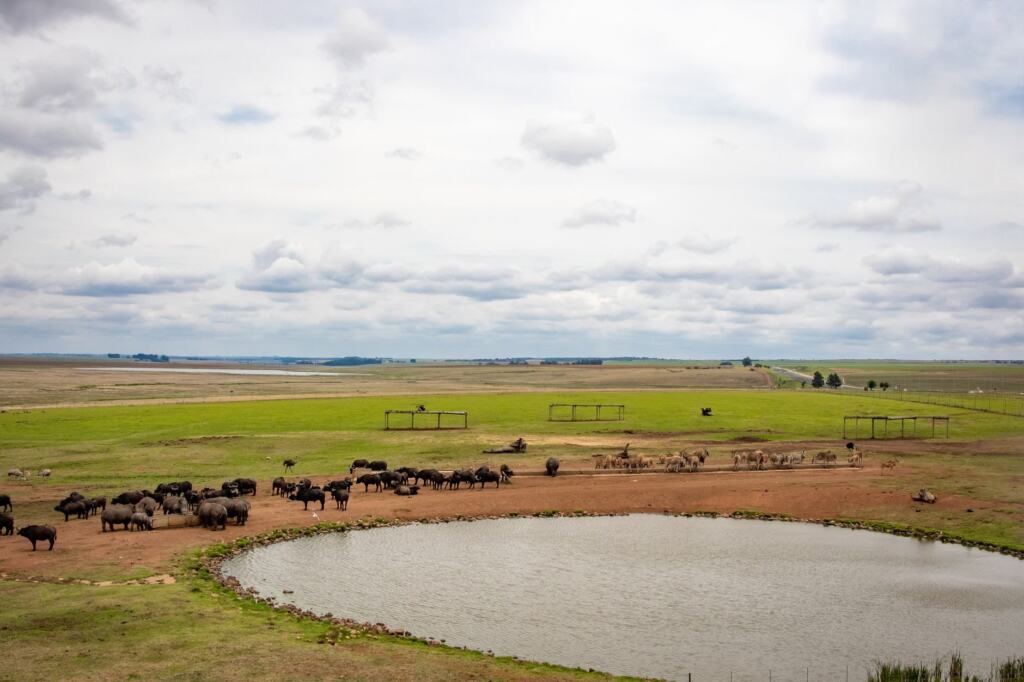
The beginner’s guide says cattle can drink anywhere from 10 to 20 gallons of water per day. That range matters most when you add paddocks, since every paddock in the rotation needs a water source. Plan for the whole herd drinking, and for each grazing group to reach water without long walks.
Shade and heat
The same guide notes that during the summer cattle need access to shade to avoid heat stress. On open pasture, that means planning for trees, structures or other cover in the paddocks you graze in hot weather. It is easy to overlook in a rotation layout that was designed around grass and fence only. For the signs and responses, see heat stress in cattle.
Corrals, chutes and low-stress handling
Cattle on rotation are moved often, so they are handled often. A sound corral and chute lets you vaccinate, sort or load animals without injury to them or to you. Calm handling also makes each pasture move faster.
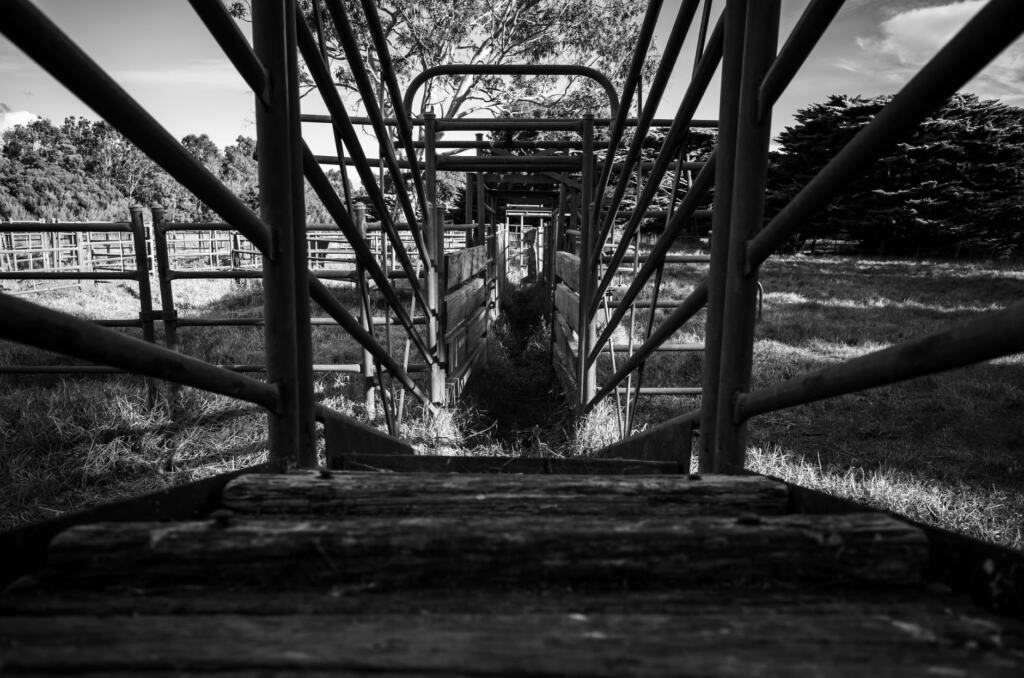
Facilities do not replace technique. Low stress cattle handling explains how to move animals calmly, which pays off every time the rotation calls for a move.
The cow-calf herd
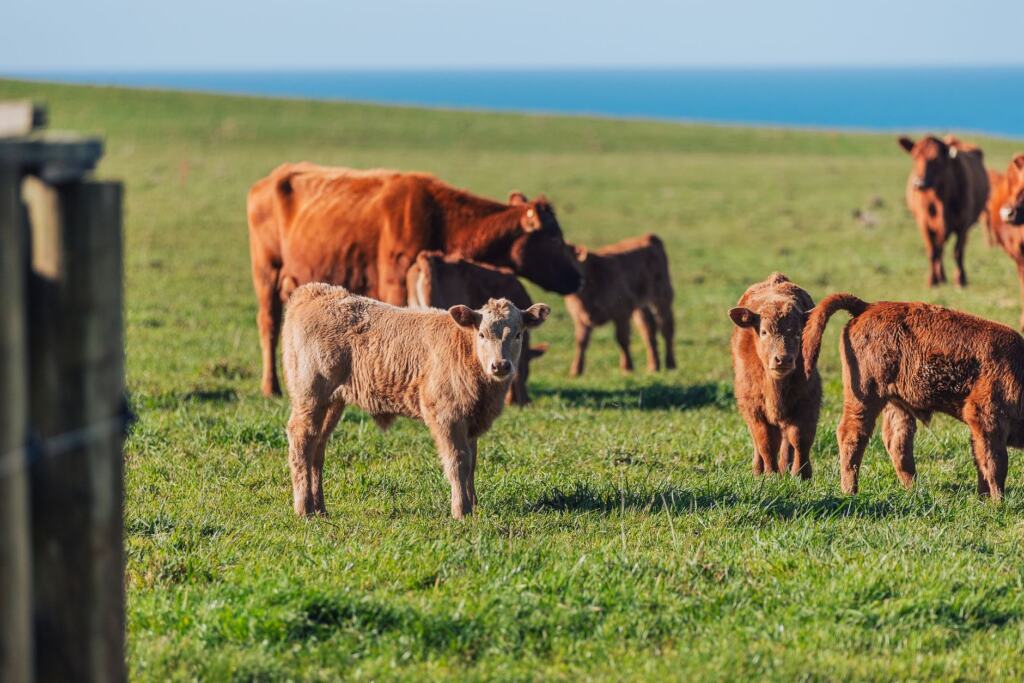
A cow-calf operation keeps breeding cows and raises their calves on pasture. Cows have a gestation period of about 283 days, or roughly nine months, so the calving calendar is set by when you breed. That timing decides when cows and calves need the most feed and attention.
Breeding your own versus keeping it simple
Keeping a breeding herd gives you control over animals from birth, which fits a program built around forage-only beef. It also adds work. You manage calving, herd health and the decisions about which animals to keep. A producer who wants to learn grazing first may prefer to start with fewer moving parts and add breeding later.
The guide on how does a cow calf operation work walks through the annual cycle. Choosing which females stay in the herd is covered in how to select replacement heifers.
Beef breeds on grass
No single breed wins on grass. The beginner’s guide advises that you choose a breed that fits your farm’s environmental conditions and your business goals. That is sound advice, and it keeps breed choice tied to the land you actually have.
Breeds worth knowing
- Angus: known for high-quality meat and adaptability, and a popular breed. It suits producers who want a broadly adapted animal with a good eating reputation.
- Hereford: hardy cattle known for an easy temperament. That suits a rotation that depends on animals being quiet to move.
- Charolais: these cattle grow quickly and produce lean meat. Fast growth is attractive if you want cattle to reach market weight sooner, but check how they perform on forage alone.
How to choose
Pick for the environment first. An animal that struggles in your climate or on your forage will not finish well, whatever its reputation. Then match temperament and growth to your business goals. A producer selling premium beef may weigh meat quality differently from one focused on speed. Look at local herds doing what you plan to do before buying. The comparison in best cattle breeds for grass fed beef goes further.
Finishing cattle on grass
Finishing is the last stretch, when cattle are brought to market condition. In general beef guides, finishing is where grain supplements enter, since they are used to increase weight gain. A grass-finished program replaces that step with forage quality and time. That puts weight on every earlier decision: pasture mix, rotation, breed and water all affect how well animals finish.
What this means for your plan
Because forage does the work, finishing is not a stage you can rush with feed. If an animal is not progressing, look at what it is eating before looking for a shortcut. Good pasture in the finishing paddocks matters more than any single input. Keep your target in view as well, since market weight is the measure of readiness. A producer should decide in advance which paddocks and which seasons will carry the animals being finished.
For the timeline, read how long does it take to finish grass fed cattle.
Before you sell
Check the grass fed beef certification requirements that apply to the label you plan to use. Do that before settling a finishing plan, so your feeding decisions are consistent with how you intend to market the beef.
Choosing where to start
Where you begin depends on what you already have.
- You have land and no cattle: test the soil, plan water and fence, and stock lightly. Learn the pasture before expanding.
- You run cattle on continuous grazing: introduce rotation in a few paddocks first. You will see the pasture response without a large investment.
- Your pasture is poor: fix grazing management before spending on seed. Then decide whether renovation is still needed.
- You want to breed your own calves: get the grazing and winter feed plan working with a smaller herd, then add a breeding program.
Frequently asked questions
How long does it take to raise grass-finished cattle?
Readiness is measured by weight and condition, not by a fixed date. Market weight is typically between 1,100 and 1,300 pounds, and on forage alone the time it takes to get there depends on pasture quality, breed and season.
Is grass-fed beef leaner than grain-fed beef?
Producer guides describe it that way. One farm guide says grass-fed beef is leaner and healthier than conventional grain-fed beef. Treat this as a producer’s description of the product and not as a nutrition measurement.
How big is a typical beef herd in the United States?
An industry education page gives an average herd size of 44 cattle, and says the country produces 20 percent of the world’s beef. Most herds are therefore small, which is a reassuring starting point for a new grass-finished operation.