| Symptom | First action | Planning use |
|---|---|---|
| Dinner is tomorrow or later | Leave the steak in its sealed vacuum bag on a plate in a refrigerator held at or below 40°F (4°C) | Cook it within 3 to 5 days of thawing |
| Dinner is within a few hours | Submerge the leakproof bag in cold water and change the water every 30 minutes | Do not run this method longer than 2 hours |
| You need it thawed in minutes | Defrost in the microwave in a heat-stable dish | Cook straight away, because microwave-thawed meat reaches temperatures that encourage bacterial growth |
| No time to thaw at all | Cook the steak from frozen | Allow about 50 percent more cooking time |
| The steak thawed but plans changed | Refreeze it uncooked | Expect some quality loss from the moisture lost in thawing |
Thawing guidance here follows University of Nebraska–Lincoln Food and NC State Extension, both of which summarise USDA-based advice.
Here is how to thaw frozen steak safely: use the refrigerator for planned meals, cold water for same-day dinners, or the microwave when you will cook immediately.
This routine suits vacuum-packed ranch steaks in particular, because the bag does much of the work. If you buy grass fed beef online, the cuts usually arrive frozen and sealed, so the choices below start from that point.
Choosing a safe thawing method
USDA FSIS guidance recognises three safe ways to thaw: in the refrigerator, in cold water and in the microwave, as this summary of the guidance notes. The refrigerator is the safest and easiest. The other two are faster but need attention, and the right one depends on how much time you have.
- Refrigerator: best when you can plan a day ahead. It needs no monitoring and leaves a margin for plans to change.
- Cold water: best when dinner is a few hours away and you can stay close to the kitchen.
- Microwave: best only when the steak goes straight into a pan or oven afterwards.
What these methods share is control of temperature. The reason is the danger zone, covered next.
The danger zone and your refrigerator temperature
The danger zone is 40°F to 140°F. Food held between those temperatures for an extended period gives bacteria the chance to grow, according to NC State Extension. That is why a steak should never sit out on the counter until it softens.
The refrigerator must stay below the bottom of that range. Thawing works safely when the fridge is consistently at or below 40°F (4°C), per University of Nebraska–Lincoln guidance. Standard fridge dials run from 33 to 40 degrees Fahrenheit, so a setting near the top of the range leaves little room, as the Tasting Table summary points out.
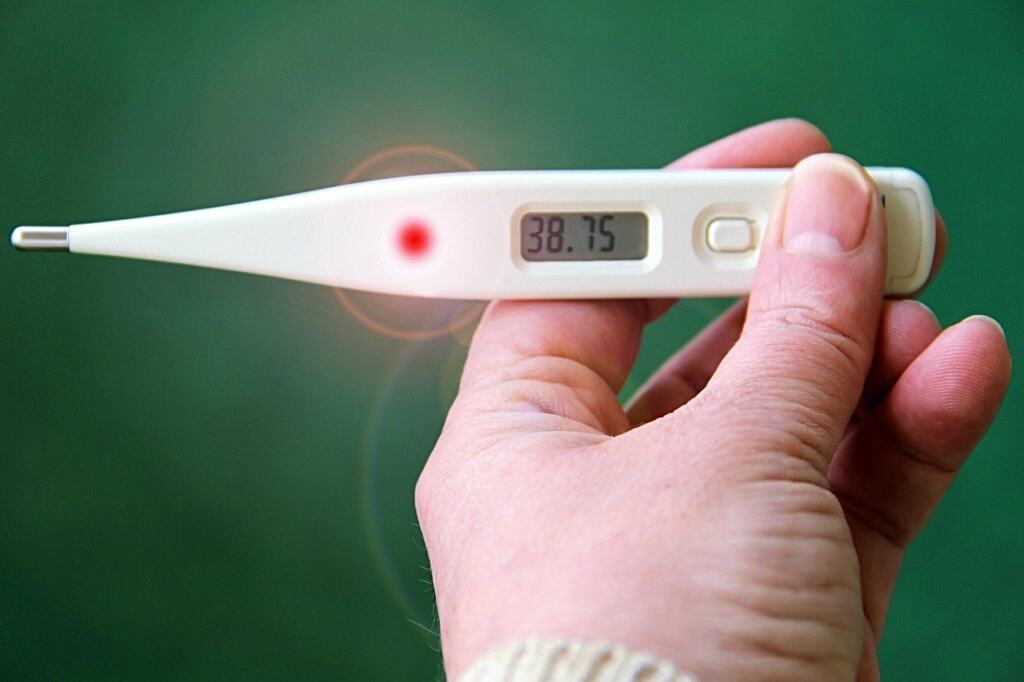
Symptom: the steak thaws unevenly or the fridge feels warm
Put an appliance thermometer on the shelf where the steak will sit and read it before you commit to a long thaw. If it shows a value above 40°F, turn the dial colder and wait for the reading to settle before thawing anything.
Refrigerator thawing step by step
A 1-inch thick steak can take up to 24 hours to thaw in the refrigerator, according to The Splendid Table. Thicker cuts take longer. As a scale, extension guidance puts ground meat or boneless chicken at least 24 hours per pound, per University of Nebraska–Lincoln. A thick steak or a packed bag of several steaks should get extra time.
- Leave the vacuum bag sealed and set it on a plate or rimmed tray to catch any condensation.
- Place it on a lower shelf so nothing can drip onto other food.
- Check it the next day. A steak that gives slightly when pressed and has no icy core is ready.
- Cook it within 3 to 5 days. This window applies to red meat cuts such as steaks, per the same University of Nebraska–Lincoln page.
Symptom: the centre is still icy at cooking time
Do not cook it as though it were thawed. Either switch to the cold-water method for the remaining time or cook from frozen and add cooking time, covered below. The fridge route has the widest safety margin, so the better fix is to start earlier next time.
Cold water thawing for same-day steak
Cold water thawing needs a leakproof package, which is why vacuum-sealed ranch beef suits it. NC State Extension specifies a leakproof plastic package and says the method should not run longer than 2 hours. A pinhole or loose seam lets water in and can affect the meat’s quality, so inspect the bag before it goes in the bowl.
- Check the seal and squeeze gently for leaks. If a bag is torn, move the steak into a fresh leakproof bag first.
- Submerge it in a bowl or sink of cold water, weighing it down if it floats.
- Change the water every 30 minutes to keep it cold, as University of Nebraska–Lincoln advises.
- Cook as soon as the steak has thawed.
A pound of meat may thaw in an hour or less by this method, per the same page. A 1-inch steak is reported to thaw in about 20 minutes in room-temperature water, according to The Splendid Table. That is well inside the 2-hour ceiling, but use cold tap water and keep to the 30-minute water changes.
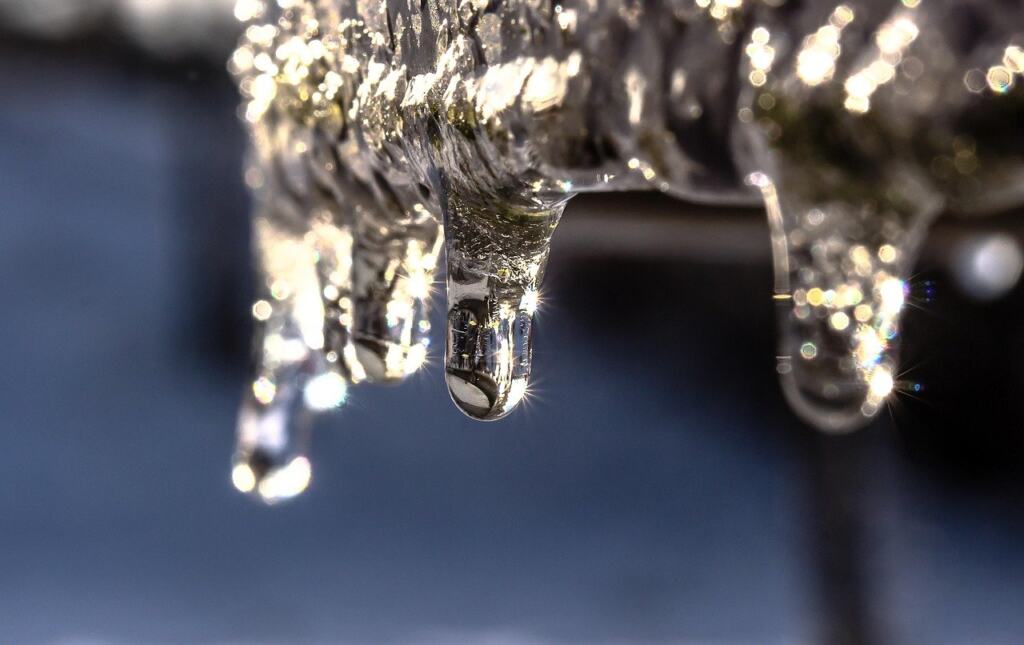
Symptom: the thaw is slower than expected
Anything between the meat and the water slows thawing, and single-thickness film thaws fastest, as The Splendid Table explains. A close-fitting vacuum bag is already near the ideal. Putting it inside a second bag or a bulky container will slow the thaw, so keep the bag directly in the water and avoid stacking steaks.
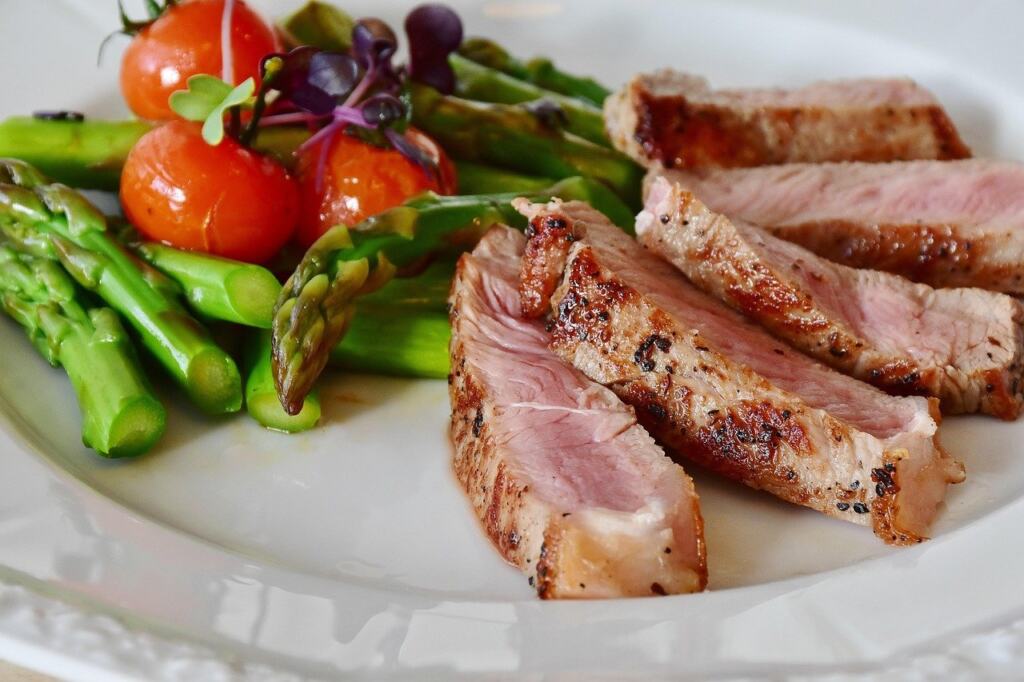
Symptom: you are near the 2-hour limit
If the steak is still frozen at the limit, do not leave it in the bowl for another hour. Move it to the refrigerator, or cook it from frozen.
Microwave thawing and cooking from frozen
The microwave is the fastest route, but it carries a condition. Unlike food thawed in a refrigerator, microwave-thawed foods reach temperatures that encourage bacterial growth, so the steak must be cooked immediately, per University of Nebraska–Lincoln. Plan the pan, grill or oven before you press start.
- Remove the packaging: foam trays and plastic wraps are not heat stable, so take the steak out of its vacuum bag and tray and use a microwave-safe dish.
- Use the defrost setting: a typical defrost cycle takes eight to 10 minutes per pound, according to Tasting Table. Check and turn the steak partway through, since thin ends can start cooking.
- Cook right away: do not put a microwave-defrosted steak back in the refrigerator for later.
Cooking straight from frozen
Skipping the thaw is also safe. Cooking from frozen typically increases the needed cooking time by about 50 percent, per NC State Extension. Use a lower, steadier heat than you would for a thawed steak so the centre cooks through before the outside burns.
Refreezing thawed steak
Thawed steak can be refrozen in some cases. University of Nebraska–Lincoln says meat and poultry can be refrozen without cooking if you are not able to cook it. The practical case is a steak thawed in the refrigerator that you never got around to cooking.
The trade-off is quality. Moisture is lost through thawing, so a refrozen steak may be drier or less tender. If a steak is high-value, a thinner cut or a more forgiving recipe will hide the loss better than a second freeze and thaw. A microwave-thawed steak is a different case, since it should go straight to the heat as described above.
Freezer storage for vacuum-sealed steak
Good thawing starts with good storage. Keep steaks in their intact vacuum bags and check each bag for tears or loose seams before it goes in the freezer. A damaged seal also defeats the leakproof requirement for cold-water thawing later.
- Label every bag: write the cut and the freezing date with a marker so you use older packs first.
- Freeze flat: a single layer of steaks is easier to stack and, because thinner cuts thaw faster, easier to thaw evenly.
- Portion before freezing: if you split a larger pack, wrap each steak so you can thaw only what you need and avoid refreezing.
- Keep products separate: franks and other processed beef have their own handling; our grass fed beef hot dogs page covers them.
Once the steak is thawed and cooked, see grass fed beef nutrition for what the cut contributes to a meal.
Frequently asked questions
| Question | Answer |
|---|---|
| Which thawing method is safest for steak? | The refrigerator, held at or below 40°F (4°C), is the lowest-effort safe method, per University of Nebraska–Lincoln. Cold water and the microwave are also accepted, with stricter timing. |
| How long does a steak take to thaw in the fridge? | In a refrigerator, a 1-inch thick steak may need up to 24 hours to thaw, per The Splendid Table. Thicker steaks need longer. |
| Can I use cold water or the microwave instead? | Yes. For cold water, use a leakproof bag, change the water every 30 minutes and stop at 2 hours, per NC State Extension. After microwaving, cook the steak immediately. |
| Can thawed steak go back in the freezer? | Yes, uncooked steak that was thawed in the refrigerator can be refrozen if you cannot cook it, but expect some loss of quality from the moisture lost in thawing, per University of Nebraska–Lincoln. |