| Delivery factor | What is supported | Planning use |
|---|---|---|
| Chilled beef | Chilled cold-chain goods are held at 0 to 4°C | Treat this band as the target for beef sent fresh, not frozen |
| Frozen beef | Frozen goods are held at -18°C and below | Frozen cuts should still feel hard-frozen when the box is opened |
| Tolerance | Temperature bands are narrow, often within 1 to 2 degrees | There is little slack, so handling after delivery matters |
| Loading dock | Most temperature excursions happen there; a few minutes unconditioned can push product out of range | Bring boxes inside promptly and do not leave them on a step |
| Pre-trip checks | Refrigerated loads call for pre-trip temperature verification and in-transit monitoring | Ask a ranch how it confirms the load is cold before it leaves |
| Last mile | Validated thermal packaging is used for last-mile delivery | Expect the box, not the truck, to protect the beef at the doorstep |
| Smell | The smell test does not tell you whether food is safe | Use a thermometer, not your nose, to judge a questionable delivery |
Figures above come from a cold chain compliance guide and from USDA-FSIS.
A refrigerated truck delivers ranch-direct beef by holding it in a narrow chilled or frozen band from loading to the final handoff. The truck only protects the beef while the door stays shut and the product starts cold.
This guide covers the vehicle and the cold-chain mechanics rather than prices or shipping policy. If you are still choosing where to order, start with the ranch store page to buy grass fed beef online, then come back here to understand what happens between pasture and porch.
What the truck changes for your beef
The practical effect of a refrigerated truck is that beef arrives in the same state it left in, provided nothing interrupts the chain. Industry guidance describes refrigerated trucks, or reefers, as the backbone of cold chain food transportation. For a buyer, that translates into a few concrete decisions.
- Choose chilled or frozen deliberately. Chilled goods sit at 0 to 4°C and frozen goods at -18°C and below, so the two products have different tolerances. Frozen beef gives you more of a buffer if you cannot be home at the moment of arrival, while chilled beef needs to go into a refrigerator promptly.
- Plan for the handoff, not just the drive. The longest stretch of the journey is usually the most controlled. The risk concentrates at the points where the load changes hands, so a delivery window you can actually meet is worth more than a vague promise.
- Judge a ranch by how it describes its process. A ranch that can explain pre-trip temperature checks and in-transit monitoring is describing the same practices that cold-chain guidance expects of refrigerated loads.
- Do not rely on the smell test. USDA-FSIS states that the “smell test” won’t tell you if food is safe to eat, so a delivery that smells fine is not proof that it stayed cold.
Why small temperature slips matter
Cold-chain temperature bands are narrow, often within 1 to 2 degrees, so a refrigerated load has little room for error. That narrowness is why a short lapse can matter more than a long, steady drive.
The same guide identifies the loading dock as the place where most temperature excursions happen. Exposure to ambient air there, even for a few minutes, can push products outside safe temperature bands. For beef that goes ranch to doorstep, the equivalent moments are the transfer from cold storage to the truck, any switch between vehicles, and the walk from the vehicle to your door.
You cannot control the ranch’s dock, but you can control your own. Clear space in the refrigerator or freezer before the delivery day, keep the box closed until you are at the storage spot, and open it only there. A box left sitting on a porch undoes careful work done upstream.
What kind of truck delivers ranch-direct beef
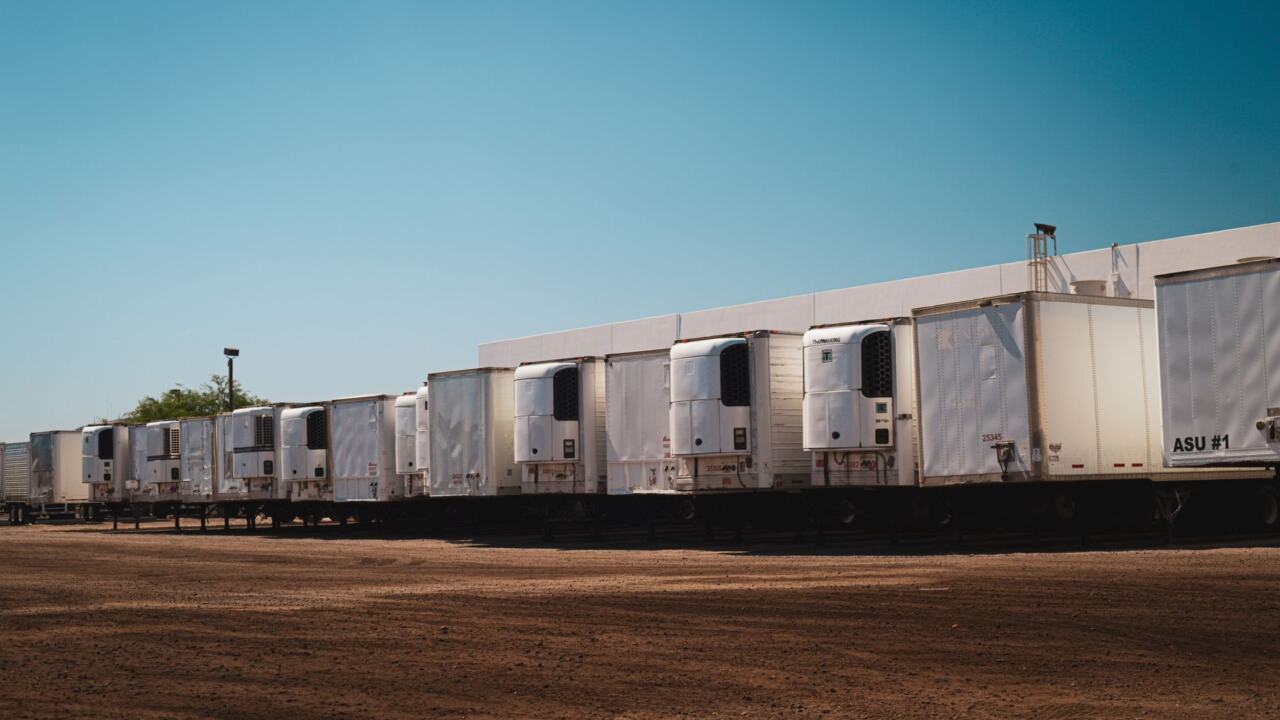
The vehicle that carries beef long distances is a refrigerated truck or trailer with its own cooling unit, usually called a reefer. It differs from an ordinary box truck because it actively holds a set temperature rather than simply insulating the load.
Truck manufacturers sort their vehicles by weight class. International, for example, lists medium-duty, heavy-duty and severe-duty truck series. A refrigerated body or trailer can be built on a chassis from a class like these, which is why the cooling unit, not the cab, is what makes a delivery vehicle suitable for beef.
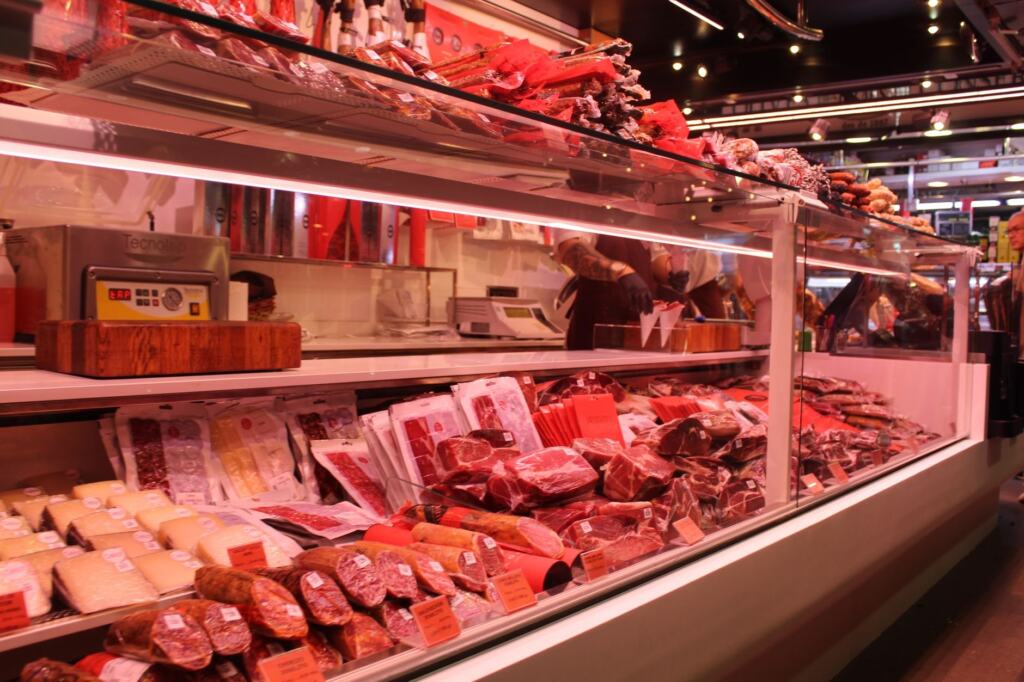
Reefer for the long haul, thermal box for the doorstep
Not every package reaches you in a large refrigerated truck. For the last stretch, cold-chain guidance points to validated thermal packaging for last-mile delivery. In practice that means a ranch may use a reefer to move product in bulk, then rely on an insulated box for the final leg.
- Bulk or regional delivery. Suits a ranch running its own route, since the cooling unit keeps the whole load in range.
- Parcel-style delivery. Suits a ranch shipping to individual households, where the packaging carries the cold.
- What to ask. Whether the beef travels chilled or frozen, and how it was confirmed cold before departure.
How the cold chain holds beef cold in transit
A refrigerated truck keeps beef cold through three overlapping habits: starting the load cold, monitoring it on the road, and limiting door-open time. None of these works alone.
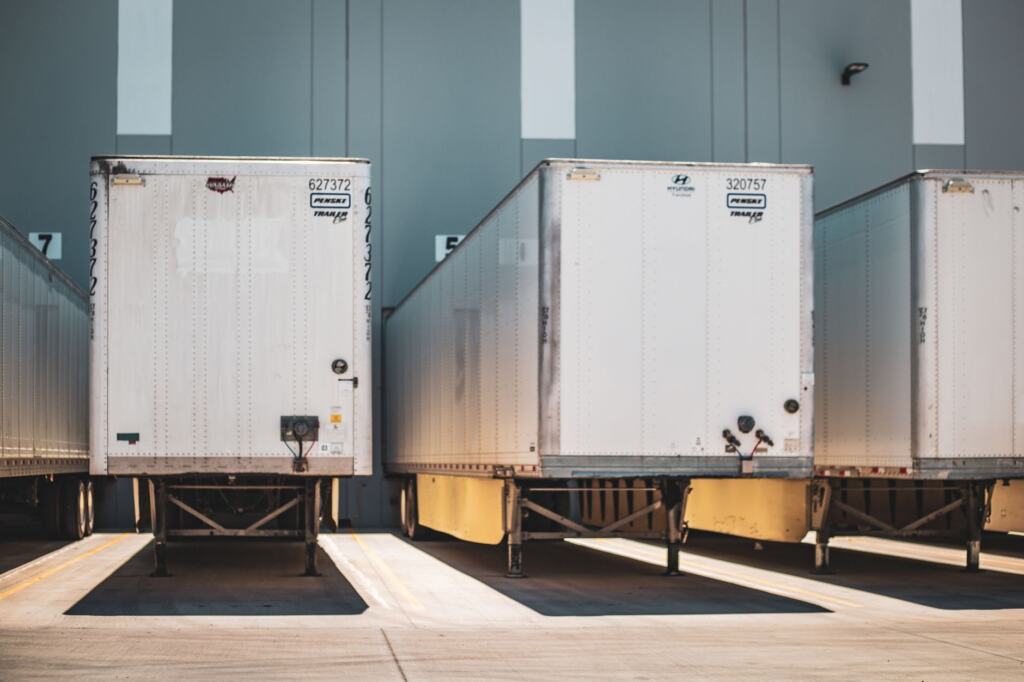
Before the truck leaves
Guidance for refrigerated loads calls for pre-trip temperature verification. The point is to confirm that the cargo space and the product are already at the target before the doors close. A truck cannot be expected to pull warm product down to range, because its job is to hold temperature, not to rescue a load.
On the road
The same guidance names in-transit monitoring capability as a requirement. Monitoring matters because the bands are narrow: a drift of a degree or two is meaningful, and it is far easier to correct while the truck is moving than to discover at the door.
Who is responsible
Under the FSMA Sanitary Transportation Rule, shippers, carriers, loaders and receivers are all expected to follow sanitary practices during transport. For a home buyer, the receiver end of that chain is you, which is a reason to treat the arrival moment as part of the process rather than an afterthought.
Packaging inside the truck
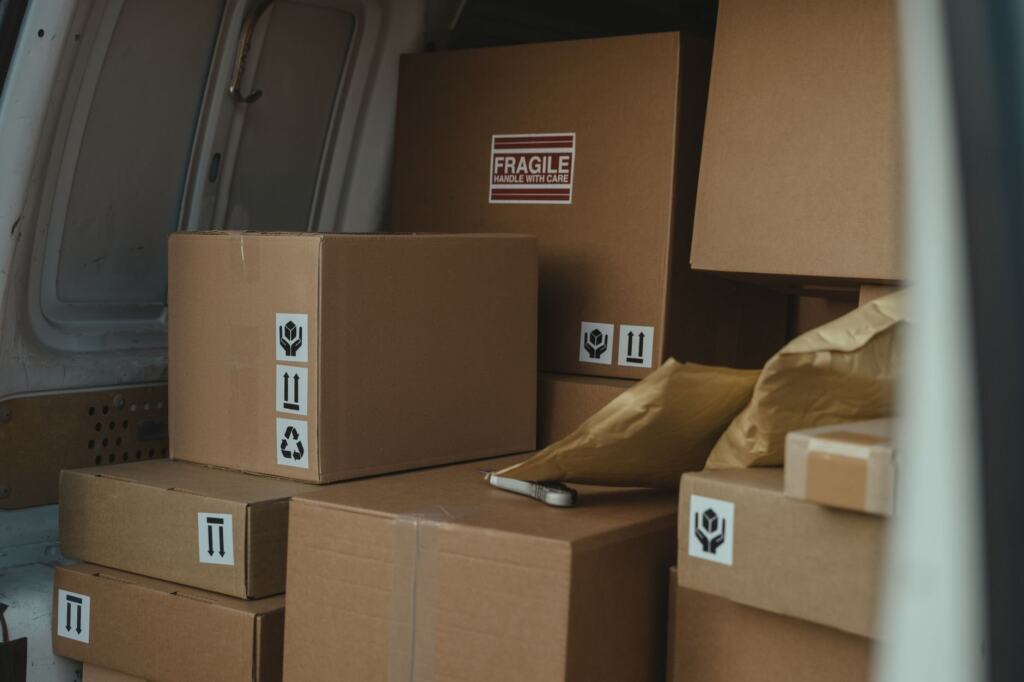
Vacuum-sealed packaging and gel packs work at the level of the individual box rather than the truck. A ranch that ships vacuum-sealed cuts with gel packs is relying on the box for the final leg, which is where validated thermal packaging comes in.
The practical point for you is that the box is a temporary cooler, not a storage unit. Once it is opened, the protection ends. Move the sealed packages straight into the refrigerator or freezer, and keep the gel packs with the beef until the cuts are stored.
Checking temperature when the box arrives
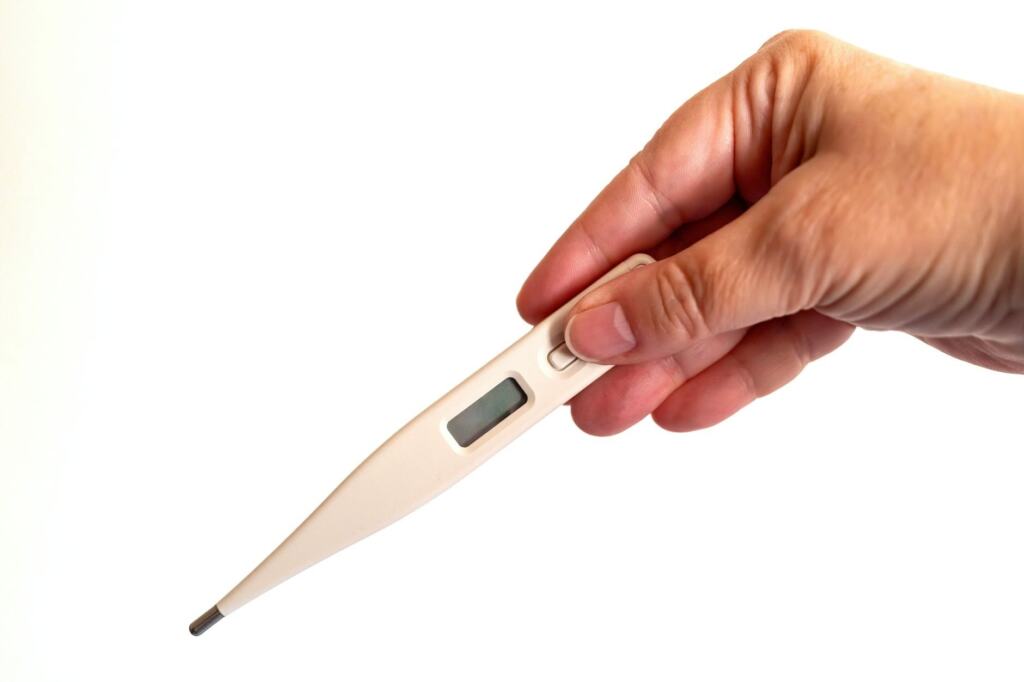
The most reliable check is a thermometer reading of the beef itself. Chilled product should read within the chilled band of 0 to 4°C, and frozen product should be at -18°C and below, according to the cold-chain ranges described earlier. Touch alone is a weaker guide, and smell is not a guide at all.
If a delivery arrives partly thawed
A partly thawed delivery calls for a decision based on temperature, not appearance. Work through these choices in order of how much the evidence supports.
- Measure first. Take a thermometer reading of the beef. If a chilled package is above the chilled band, or a frozen one is no longer at -18°C or below, treat the delivery as having left the safe range.
- Ignore the smell. A neutral smell does not make the beef safe, as USDA-FSIS says plainly. Do not use it to override a warm reading.
- Contact the ranch promptly. Report what you found, including the reading and the state of the gel packs and packaging. A ranch that tracks its loads can tell you whether the delay or the dock was the cause.
- Keep the packaging. The box, labels and packs help the ranch identify where the chain broke.
Because brief exposure can push product out of range, a box that sat on a porch should be checked even if it looks intact.
Frequently asked questions
What kind of truck delivers ranch-direct beef?
A refrigerated truck, or reefer, with its own cooling unit, is the standard long-haul vehicle for cold-chain food. For the last leg, validated thermal packaging often does the work instead.
How does a truck keep beef cold in transit?
It holds a set temperature after the load is verified cold before departure, and monitoring tracks it on the road. Short door-open times at the dock help, since that is where most excursions occur.
What temperature must beef stay under during delivery?
Cold-chain guidance describes chilled goods at 0 to 4°C and frozen goods at -18°C and below. Beef sent chilled should stay in the first band, and frozen beef in the second.
What should I do if a beef delivery arrives partly thawed?
Check the temperature with a thermometer instead of relying on smell, then report the reading to the ranch right away. USDA-FSIS notes that the smell test does not show whether food is safe.