| Item | Listed size and price | Planning use |
|---|---|---|
| Tenderloin steak (filet mignon) | 5 oz, $17.00 | The smallest and cheapest steak in this set. Suits lighter appetites and first orders where cost matters. |
| Boneless ribeye | 10 oz, $29.00 | The heaviest and most expensive of the three steaks. Suits a big appetite or a special meal. |
| Top sirloin | 8 oz, $21.00 | Sits in the middle on both weight and price. A sensible everyday steak. |
| Ground beef patties | 2 lb packs; six patties per two-pack; $22.00 | Count on patties rather than weighing loose beef when you plan burger nights. |
| Tri-tip roast | From $35.40 | A roast-size cut for a group meal. Check the weight on the product page before ordering. |
| Ground beef | From $16.00 | The entry-level price point for filling the freezer with everyday mince. |
Steak and patty figures come from a Market House grass-fed beef collection page. The tri-tip and ground beef starting prices come from Alderspring’s organic grass-fed beef collection. Prices and sizes change, so confirm them at checkout.
Shoppers who want to buy grass fed beef online can order steaks, patties, roasts and franks from ranch-direct stores, usually shipped frozen. Check the label wording, the shipping threshold and your freezer space before you order.
For the ordering steps in sequence, see our walkthrough on how to buy grass fed beef online. The sections below explain how a ranch store runs, what it sells, how the beef travels and how to pick a first order.
How a ranch-direct beef store works
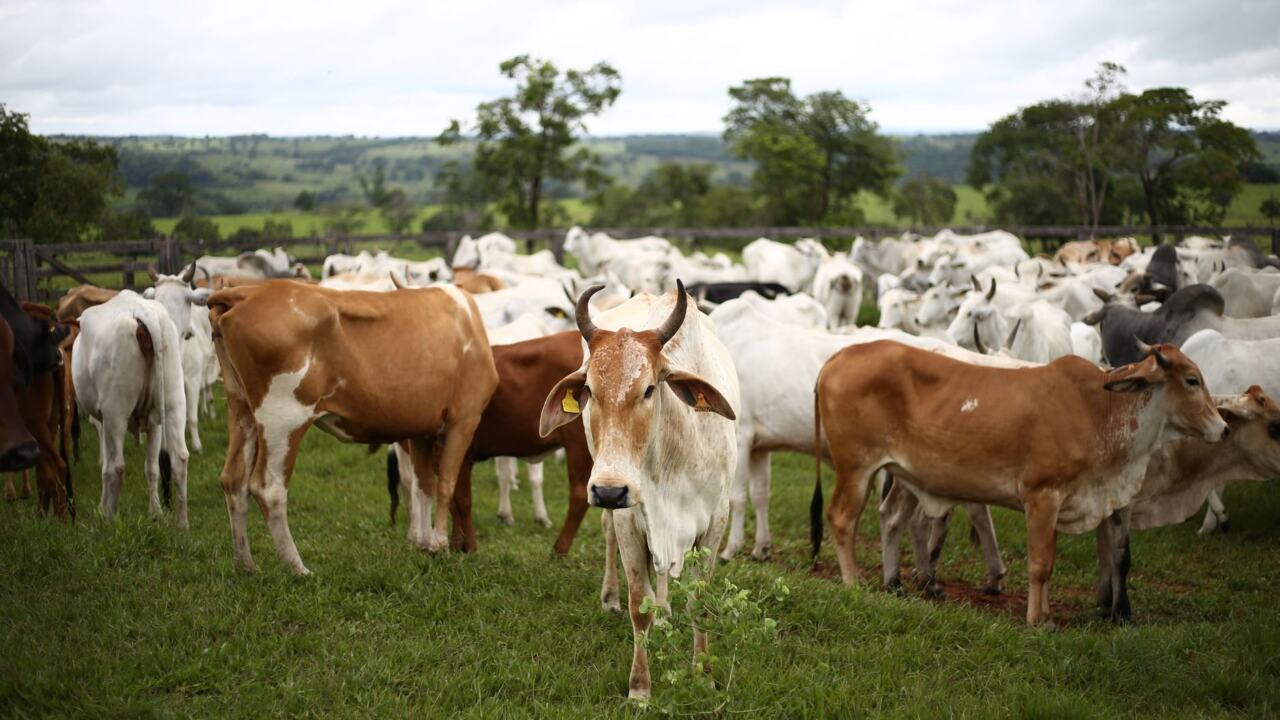
A ranch-direct beef store sells beef from cattle the ranch raises and finishes itself, and the shop is the final step of a much longer process that starts on pasture. Understanding that sequence makes product pages easier to read, because shipping dates, pack sizes and cut availability all follow from it.
From pasture to harvest
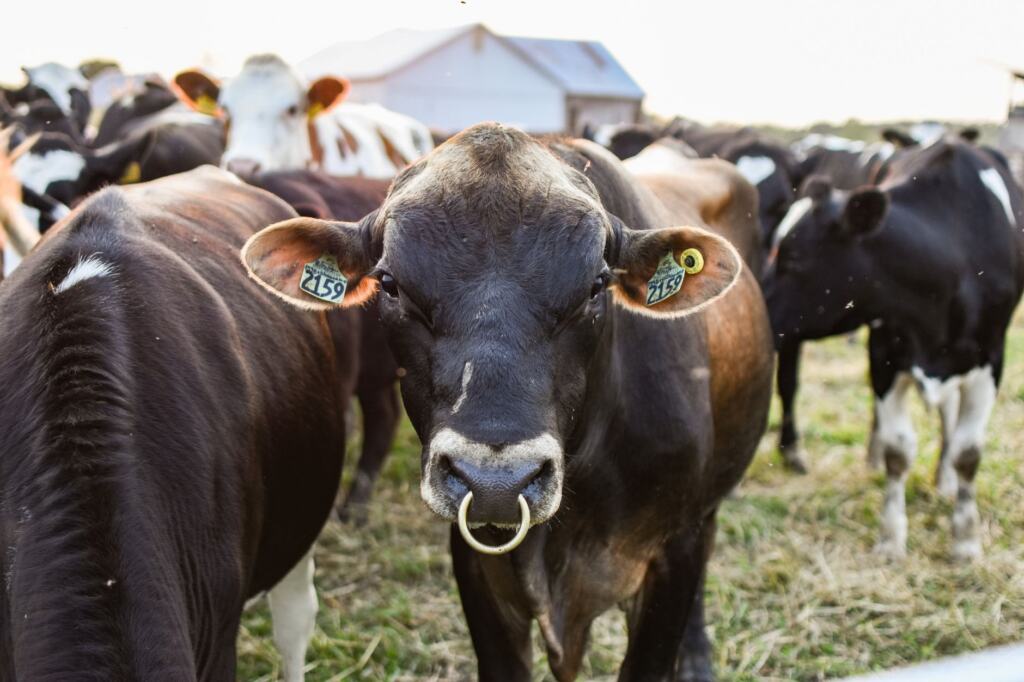
Ranch stores work to a harvest calendar rather than a warehouse. Mariposa Ranch describes its own rhythm plainly: every two weeks it sorts out finished cattle for harvest. The word that matters there is finished. Cattle are chosen for harvest when the ranch judges them ready, not on a date set by shoppers.
For you, the practical lesson is to look for a store that explains its schedule. A ranch that states how often it harvests is telling you how its stock is replenished, which helps when a favourite cut shows as sold out. If a cut you want is unavailable, it is worth checking the product page again rather than assuming the ranch has stopped selling it.
From harvest to packaged cuts
After harvest, the beef is cut into the retail range a ranch store historically sells: steaks, burgers, roasts and franks. Each of those product families has its own pack sizes and its own way of being sold. Steaks are priced per cut and weight, patties come in counted packs, and roasts are sold as larger single pieces.
Freezing is the step that links the ranch to your door. Market House states that orders are flash frozen, packed with dry ice and shipped overnight. That is why the store model suits people who have freezer space and prefer to stock up over buying fresh on the day of cooking.
If you are curious about the vehicle side of a ranch operation, the page on the truck has more detail.
Reading the label: grass-fed and grass-finished
Grass-fed beef and grass-finished beef are not interchangeable phrases, and sellers use them differently. Market House lists a steak as a Grass Fed Grass Finished Tenderloin Steak, spelling out both terms in the product name. Alderspring uses a different style, labelling its ground beef as organic grass fed regenerative.
The decision rule is simple. When a store uses only one of the terms, read the product description and the ranch’s own explanation before you assume it means what the other would. Our comparison of grass fed vs grass finished beef goes through the wording in more depth, and the page on why grass fed covers the reasons shoppers choose it in the first place.
What a ranch-direct store sells
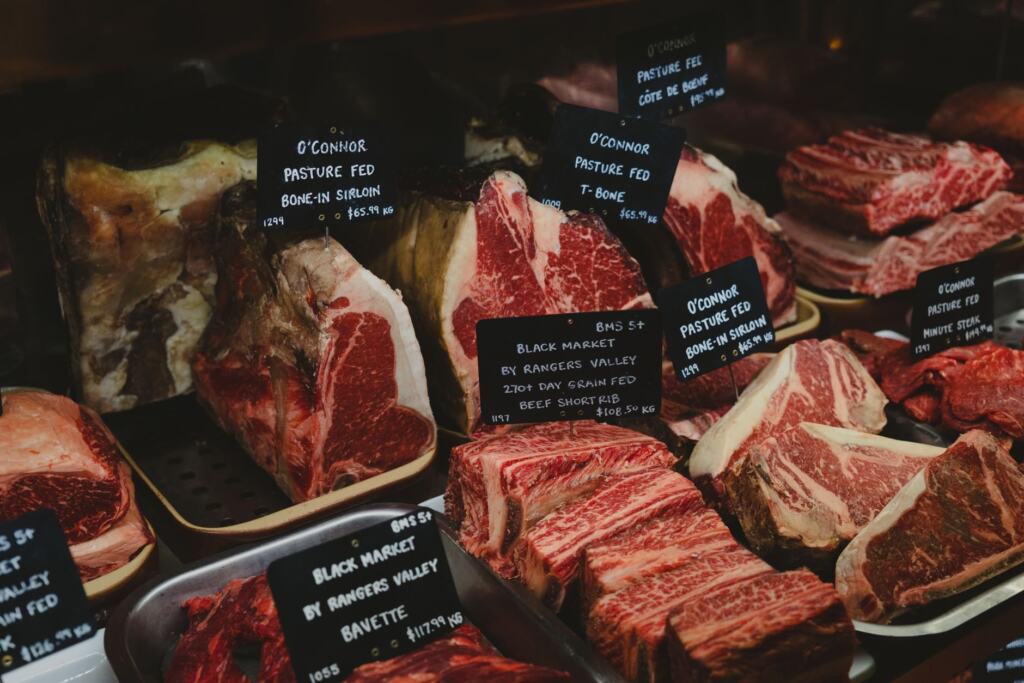
A ranch-direct store sells steaks, ground beef and patties, roasts and franks, usually in set pack sizes. The range is deliberately simple, because each product is a cut or a grind from the same cattle.
Steaks: ribeye, filet mignon and top sirloin
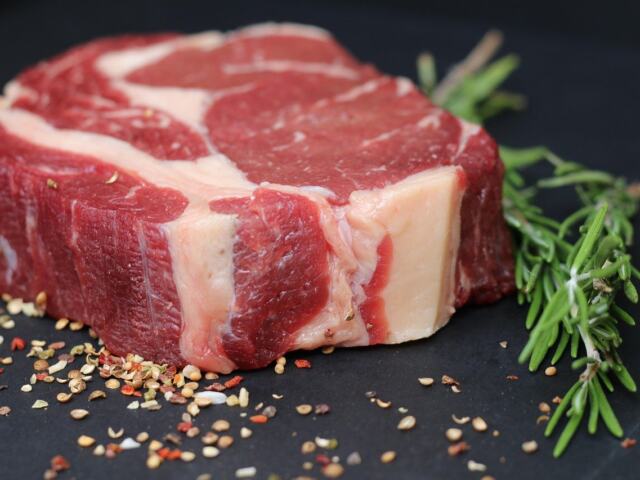
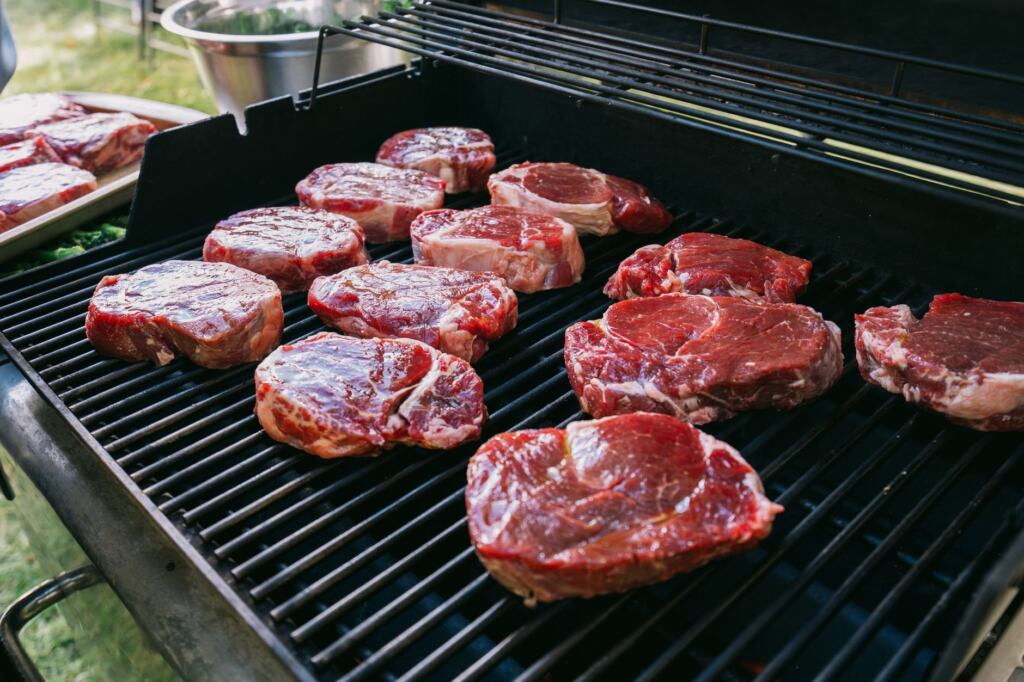
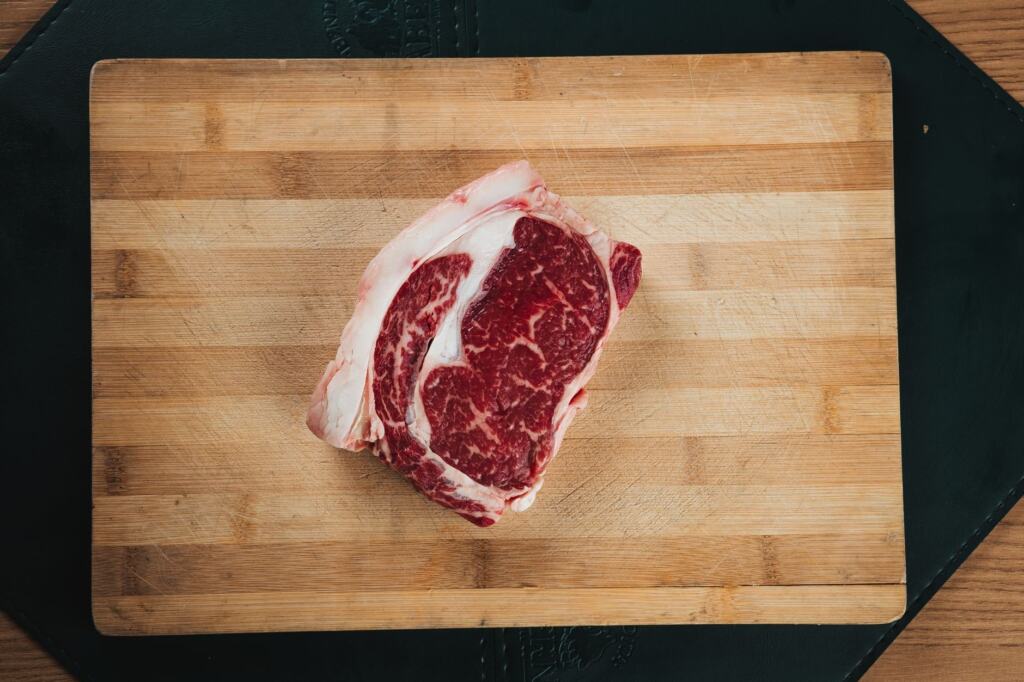
Steaks are the headline product, and the listed weights show how each cut is sold. Market House lists a 5 oz tenderloin steak at $17.00, a 10 oz boneless ribeye at $29.00 and an 8 oz top sirloin at $21.00. Sellers set their own portions, so a steak with the same name can arrive at a different weight from another store.
The ribeye is the heaviest and most expensive of these three listings. Our page on grass fed ribeye steak explains what to look for in that cut. The tenderloin is the lightest and cheapest of the three, which is also where grass fed filet mignon sits as a product. The top sirloin is the middle choice, and the guide to grass fed top sirloin steak covers it.
Roasts, tri-tip and ribs
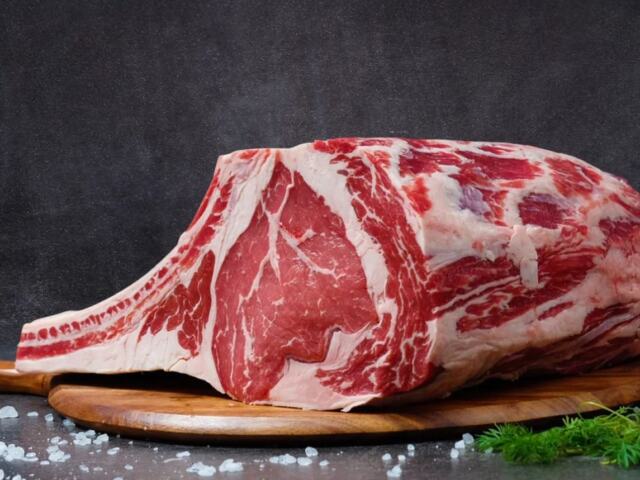
Roasts suit larger gatherings and slower cooking, and they are priced as bigger single pieces. Alderspring lists a tri-tip roast from $35.40, and the words “from” show that the final price depends on the weight you pick. Treat that figure as a starting point rather than the price of every roast.
If you are weighing several roast-style cuts, our guide to grass fed beef roast is the place to start. Bone-in options are covered under grass fed beef ribs. Shoppers torn between tri-tip and a similar steak-style cut will find the comparison of flat iron steak vs tri tip useful.
Ground beef and patties
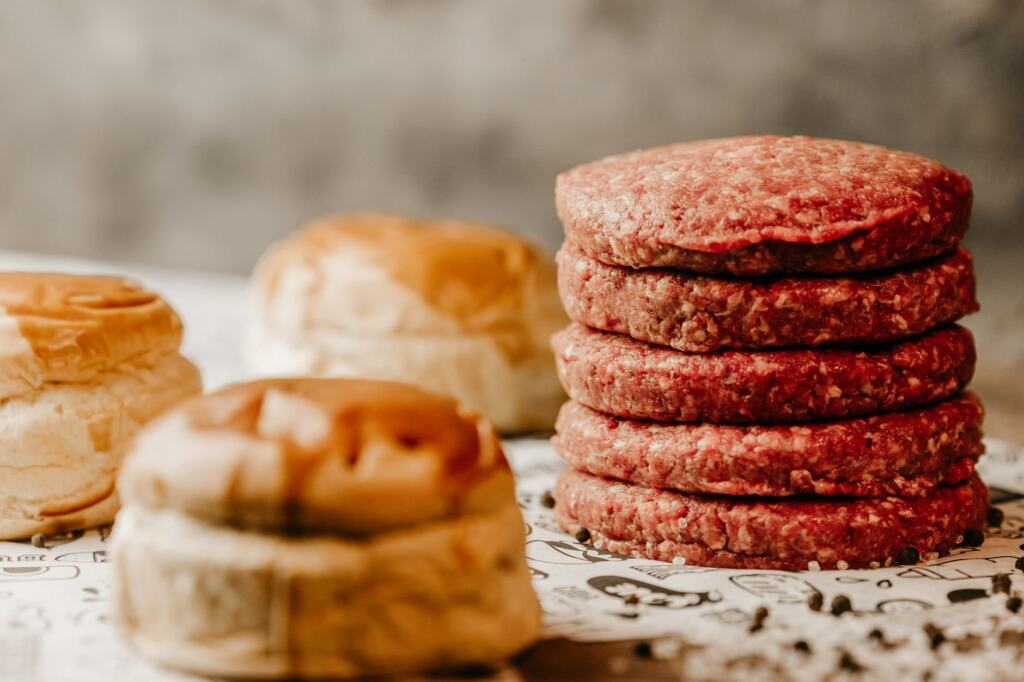
Ground beef is the easiest product to buy in bulk because it is sold by pack. Market House lists its patties in 2 lb packs, with six patties per two-pack, at $22.00. Force of Nature sells loose ground beef where each package is 16 oz of an 85% lean and 15% fat blend. Those two formats suit different cooks.
Patties suit anyone who wants burgers with no shaping, while the blend ratio on loose ground beef matters if you cook it into sauces or meatballs. Read the pack size and the lean-to-fat ratio before comparing prices, because a lower sticker price can simply mean a smaller package. The page on grass fed ground beef covers grinds and burgers in detail.
Franks and hot dogs
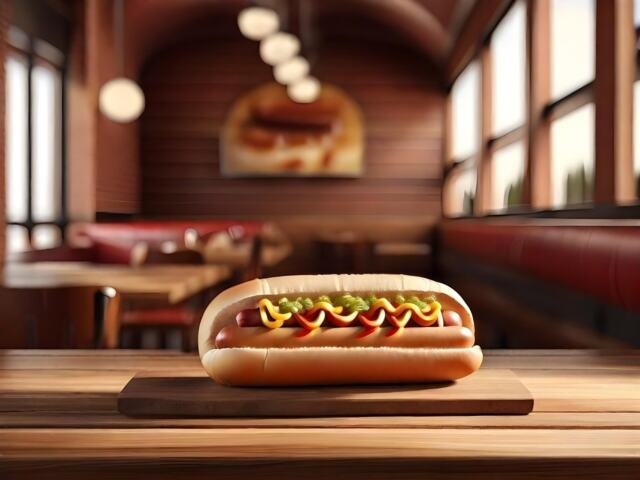
Franks complete the traditional ranch range and are the easiest product to serve to a crowd. They sit alongside burgers as the casual end of the store, and they are a low-effort way to try a ranch’s beef without committing to a roast. Our page on grass fed beef hot dogs covers what to look for in the pack.
Choosing a first order
The best first order balances price, portion size and how many freezer shelves you can spare. The listed weights and prices make that choice more concrete than the cut names alone.
Which steak cuts suit beginners
Filet mignon and top sirloin are the easiest starting points, and ribeye is the upgrade once you know your appetite. The tenderloin at 5 oz and $17.00 is the lowest-risk purchase on price, while the 8 oz top sirloin at $21.00 gives a bigger plate for a modest step up, according to the same Market House listings.
The 10 oz ribeye at $29.00 is the most generous steak, and it suits shoppers who already know they want a larger portion. If you are unsure, order one of each steak and see which fits your household. That small experiment tells you more than any cut description.
Portion sizes and planning
Plan around the weight on the listing, not the cut name. A 5 oz tenderloin and a 10 oz ribeye are both single steaks, yet they feed an appetite very differently. If two people share a pack of steaks, check whether the portions suit each eater before you commit to a larger order.
For household-size planning, the guide on how much steak per person turns weights into serving decisions. The same thinking applies to patties: a counted pack tells you how many burgers you will get, while loose ground beef leaves the portioning to you.
Shipping and delivery
Online beef orders usually travel frozen in insulated packaging, and the main differences between sellers are the cooling method, the cost threshold and the ship day. Compare those three before you compare prices.
How the beef is packed
Two packing methods appear in the pack of sellers. Market House uses flash freezing, dry ice and overnight shipping. Mariposa Ranch packs in insulated boxes with frozen gel packs. Both approaches aim to keep the beef cold in transit, and neither changes what you do on arrival: get the order into the freezer promptly.
Free shipping thresholds
Free-shipping thresholds are the easiest way to compare the real cost of an order. Market House offers free overnight shipping on orders of $150 and above. Mariposa Ranch offers free shipping on orders over $150 in CA, NV and AZ, so its offer depends on where you live. Force of Nature sets its bar higher, with free shipping on orders of $189 and above.
The decision here is about order size. If you are placing a small trial order, the shipping charge can be a large share of the cost, so a bigger first order may be the better value. If you only want a few steaks, look for a seller whose threshold you can reach without buying beef you will not use.
Ship days and timing
Alderspring ships on a fixed weekly cycle: orders placed Monday through Sunday ship the following Monday. That makes timing predictable, but it also means an order for a weekend dinner needs to be placed well ahead. Overnight shipping, as described by Market House, shortens transit but does not remove the need to plan around the ship day.
Storing and thawing your order
Frozen beef is delivered ready for the freezer, so storage planning comes before ordering. Clear the space first, because a boxed order of steaks, patties and a roast can fill a drawer faster than expected.
When it is time to cook, thaw in advance rather than on the day. Our page on how to thaw frozen steak explains the methods and what to avoid, and it also covers longer-term storage of bulk orders.
Single orders, bulk buying and subscriptions
Single orders suit first-time buyers, bulk buying suits households with freezer space, and subscriptions suit people who want regular deliveries without re-ordering. The right choice depends on how fast you eat beef and how much space you have.
A single order lets you test a seller’s cuts and packing without a large commitment. If you like the result, our guide on how to buy beef in bulk explains how larger purchases work. For a repeating schedule, read about a grass-fed beef subscription and the sales that ranch stores run.
Quality claims and nutrition
Quality claims on product pages vary widely, so compare like with like. Force of Nature states that its beef goes through independent lab testing for over 300 contaminants, which is a seller’s own claim. Alderspring labels its beef organic and regenerative. Each is a different promise, so do not treat them as a single quality scale.
If you are shopping for health reasons, our overview of grass fed beef nutrition explains what is and is not established, which is more reliable than a product page.
Where to start
- First-time buyer: order a tenderloin, a top sirloin and a pack of patties, and keep the order near the free-shipping threshold of your chosen seller.
- Burger household: choose counted patty packs, or loose ground beef where you know the blend ratio.
- Group cook: add a tri-tip roast, and check the weight before ordering because the starting price covers the smallest size.
- Regular eater: move to a larger order or a subscription once you know which cuts you use.
Frequently asked questions
Where can I buy grass-fed beef online?
Ranch-direct stores and specialist retailers such as Market House, Mariposa Ranch, Alderspring and Force of Nature all sell it online. Compare their shipping thresholds and ship days.
Is grass-fed beef shipped frozen?
The sellers covered here ship frozen, using dry ice or insulated boxes with gel packs. Have freezer space ready.
Which steak should I try first?
The 8 oz top sirloin is a balanced start, and the 5 oz tenderloin is the cheapest steak per portion in the listings above.
Do ranch stores sell franks as well as steaks?
Yes. A traditional ranch range covers steaks, burgers, roasts and franks, though availability varies by seller.