| What you buy | Listed size and price | Planning use |
|---|---|---|
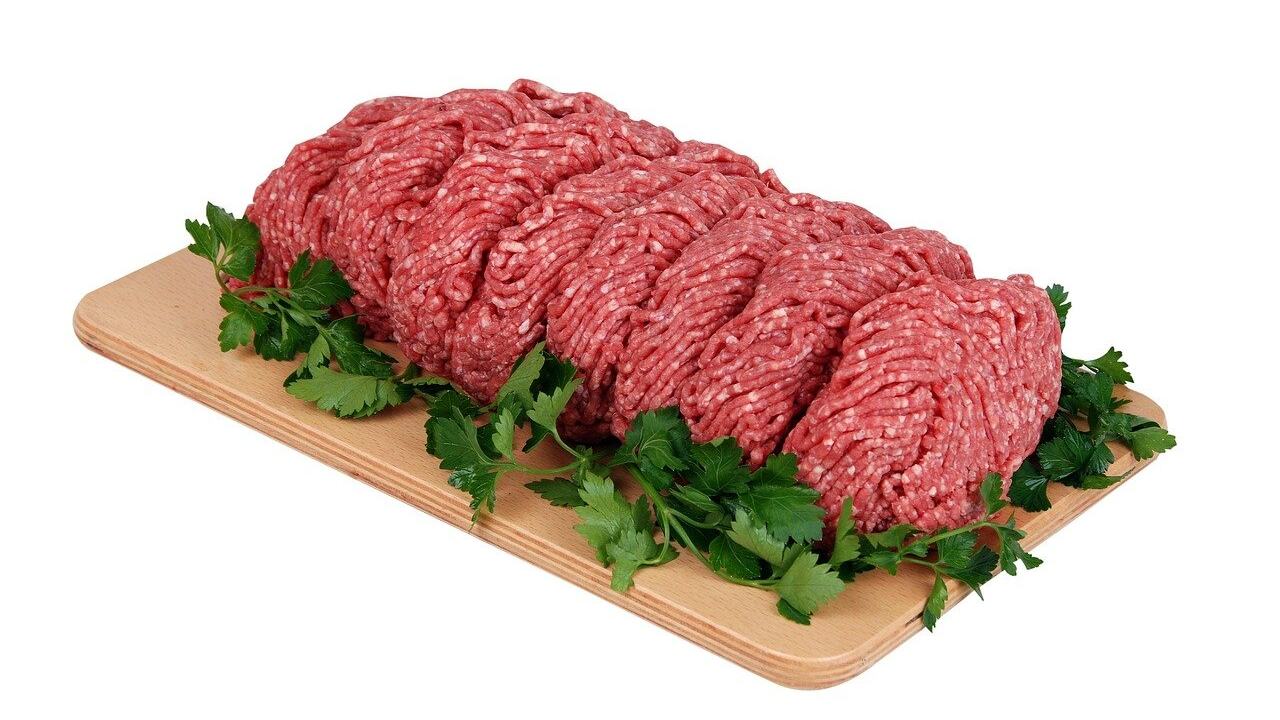
| Ground beef, 90/10 blend | 1 lb pack, $14.99 | The leaner choice for loose cooking or patties you shape yourself. |
| Ground beef, 80/20 blend | 1 lb pack, $14.99 | The richer choice when you want more fat in the patty. |
| Steakburger grind | 1 lb pack, $16.99 | A burger-specific grind sold at a higher pack price. Confirm the cuts and ratio before swapping it in for a standard blend. |
| Pre-formed patties | 2 oz, 4 oz and 8 oz sizes, $15.99 per pack | Skips the shaping. Pick the size by how you plan to serve them. |
Pack sizes and prices come from White Oak Pastures’ grass-fed ground beef and burger listings.
Grass fed ground beef is sold as a labelled lean-to-fat blend, so the right pack depends on the fat percentage you want and how you will shape and cook it. Whichever blend you pick, cook patties all the way through.
Pre-shaped patties, loose ground beef and steakburger grind each suit a different job. The sections below follow the order you would work in: choose the grind, pick a patty size, cook, then fix any problems. If you are ready to buy grass fed beef online, start from the ranch store.
Phase one: choose the grind and fat percentage
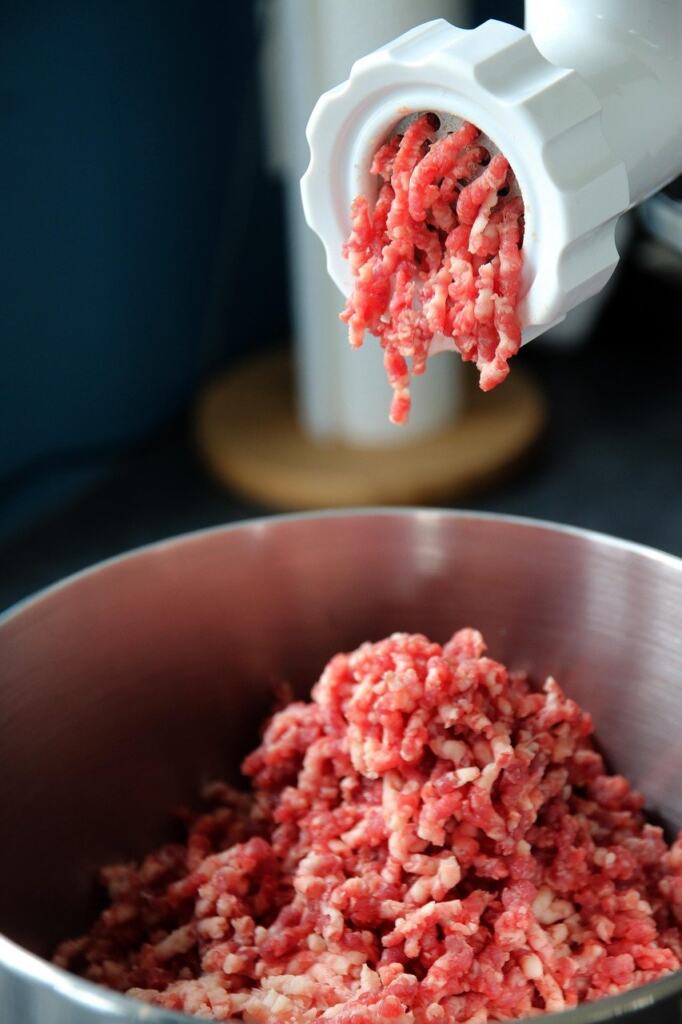
Ground beef is sold by lean-to-fat ratio, and grass-fed producers list several blends rather than a single standard. Read the ratio on the pack before anything else.
What the fat percentage looks like on grass-fed packs
There is no single fat percentage for grass-fed ground beef. Force of Nature sells a 90% lean, 10% fat blend in a 16 oz package and describes it as a leaner version of regular ground beef. ButcherBox lists its 100% grass-fed ground beef at a 93% lean to 7% fat ratio. White Oak Pastures sells both a 90/10 and an 80/20 blend.
The ratio, not the grass-fed claim, sets how much fat is in the pack. Choose 80/20 when you want a richer patty.
How steakburgers differ from regular patties
A patty is a shaped portion of ground beef. A steakburger is a grind sold specifically for burgers. White Oak lists its steakburger grind as its own product beside the 90/10 and 80/20 blends, at $16.99 for a 1 lb pack against $14.99 for either blend.
The pack price suggests a distinct grind, not the same beef under another name. Ask the producer for the cuts and the lean-to-fat ratio before treating it as a substitute for a standard blend. Buy it when you want to form your own burgers. Buy pre-formed patties when you want a fixed portion and no shaping.
Phase two: size the patties and sliders
Patty weight decides how a burger or slider cooks and serves, and producers sell pre-formed patties in clearly different sizes. Pick the size before you pick the pack.
Patty weights, counts and prices come from White Oak Pastures’ patty listings and Seven Sons’ grass-fed beef store.
All three White Oak sizes cost $15.99 per pack, so the choice is about the portion you want on the plate, not the price of the pack. Seven Sons also sells a 1 lb package of ground beef patties at $15.05, which suits a household that wants a pack of patties without committing to a single size.
- Decide the role. Choose small patties for sliders, finger-food spreads and mixed plates. Choose larger patties for a single-patty meal.
- Match the size. Use the 2 oz patties for sliders, the 4 oz or 5 oz for a modest burger, and the 8 oz for a full-size burger.
- Check the count against the table. A pack of 8 small patties covers a slider platter. A pack of 2 large patties covers two servings.
- Shape your own if no size fits. Buy loose ground beef or steakburger grind and portion it by weight so every patty cooks at the same pace.
If you are comparing producers, Seven Sons describes its beef as 100% grass-fed and grass-finished. Look for that kind of explicit wording on any product page you are weighing.
Phase three: cook and check doneness
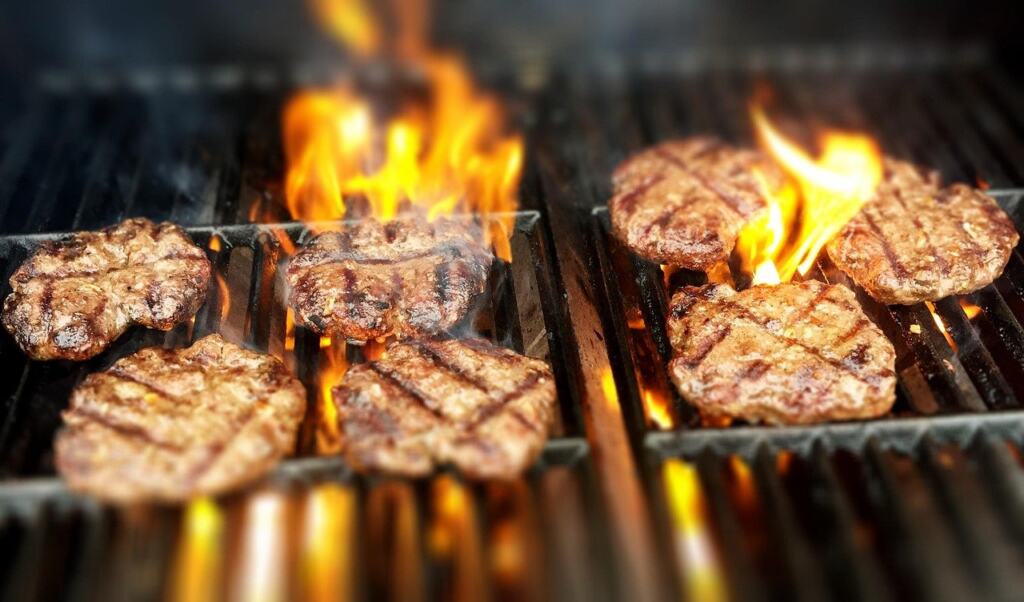
Ground beef patties must be cooked all the way through. WebMD notes that grinding beef can spread bacteria through the meat, so the centre of a burger needs the same attention as its surface. That is the main reason a burger is not handled like a seared steak.
- Portion evenly. Patties of the same weight finish together, so shape them to match.
- Heat the grill or griddle before the patties go on. Slider patties and full burgers can share a surface if you pull the small ones first.
- Turn once and keep the patties intact. Pressing out the juices does not help a lean blend.
- Check the thickest part with an instant-read thermometer. Compare the reading with the USDA safe temperature for ground beef, and do not judge doneness by colour alone.
- Pull the patties when they reach the safe temperature. With a lean blend, rely on the thermometer reading rather than guessing from appearance.
Fixing common problems
- Patties taste dry. Move to a richer blend such as 80/20 next time, and check the temperature earlier.
- Patties finish at different times. Mixed sizes in one pan cook at different speeds. Cook each size together or remove the smaller ones first.
- You are unsure what a steakburger grind contains. Contact the producer for the cuts and lean-to-fat ratio, since the name alone does not give a ratio.
- The burger looks done but you are not sure. Use the thermometer and the USDA safe temperature for ground beef, not colour.
Serving and what to buy next
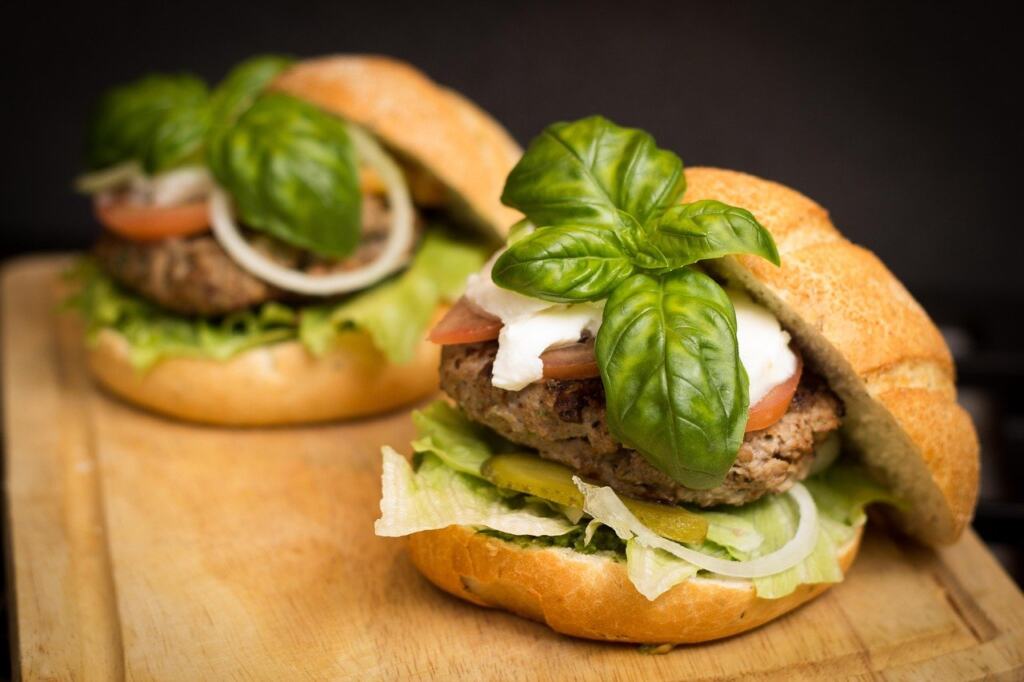
Once the patties are cooked through, build the burger however suits the blend. A leaner patty pairs well with generous toppings and a toasted bun, while a richer 80/20 patty can carry fewer.
If you would rather cook a whole cut than a ground one, see grass fed top sirloin steak for a quick-cooking option. For a slow weekend meal, a grass fed beef roast is the better fit.
Frequently asked questions
How much less fat does grass-fed ground beef have than regular?
WebMD reports that 4 oz of raw grass-fed ground beef contains 224 calories and 14 g of fat, while 4 oz of raw regular ground beef contains about 22 g of fat. The blend on the label still decides the actual fat in your pack. See WebMD’s grass-fed beef overview.
Which producers sell patties and steakburger grind by the pack?
Compare ratio, patty weight and pack price on each product page.
Can I use a larger patty for sliders?
You can portion any blend or the steakburger grind into small patties yourself.